
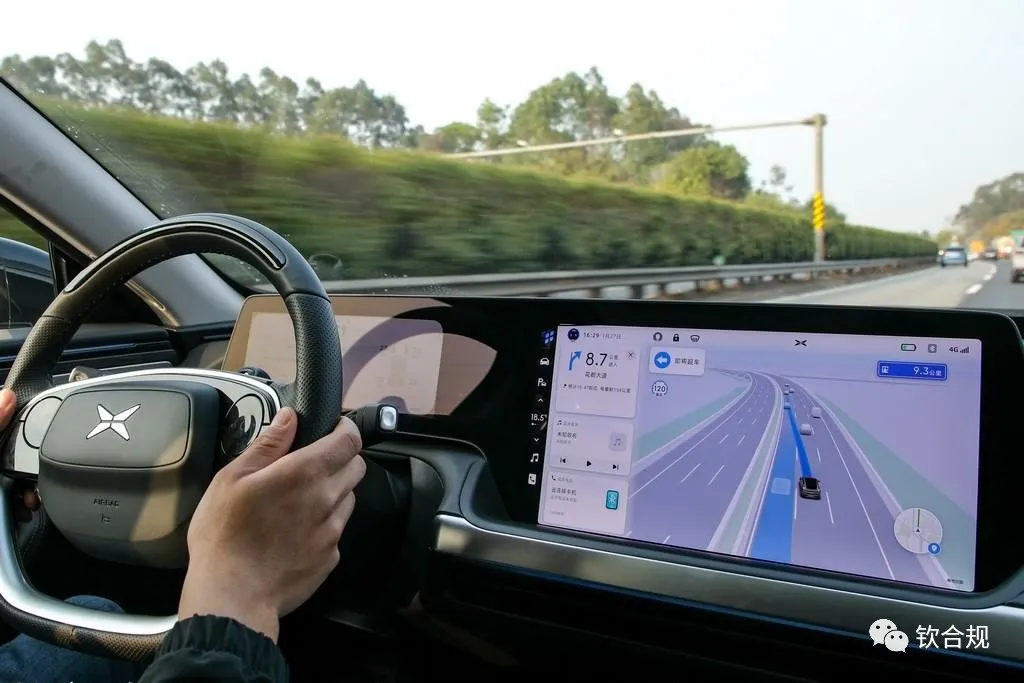
2020年,自适应巡航、自动泊车辅助这类特定场景下的辅助驾驶功能在越来越多的汽车上得以实现。更有车企实现了“领航辅助驾驶功能”,标榜能够在封闭路段沿着导航自主行驶、超车、变道。By 2020, scenario-specific assistance such as adaptive cruise control and parking assistance was appearing in more vehicles. Some manufacturers also introduced navigation-assisted driving, advertised as following navigation, overtaking and changing lanes autonomously on controlled roads.
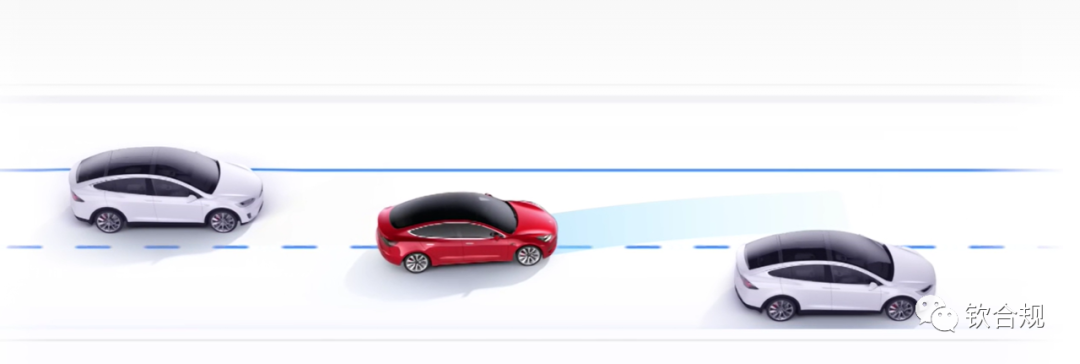
也是从2020年开始,各个新能源车企除了注重续航、电池之外,也逐渐开始把注意力更多地放在车辆的智能化上,车辆能够实现L几级的“自动驾驶”也是一个巨大的宣传卖点。From 2020, EV manufacturers increasingly emphasized vehicle intelligence alongside range and batteries. The claimed level of automated driving became a major selling point.
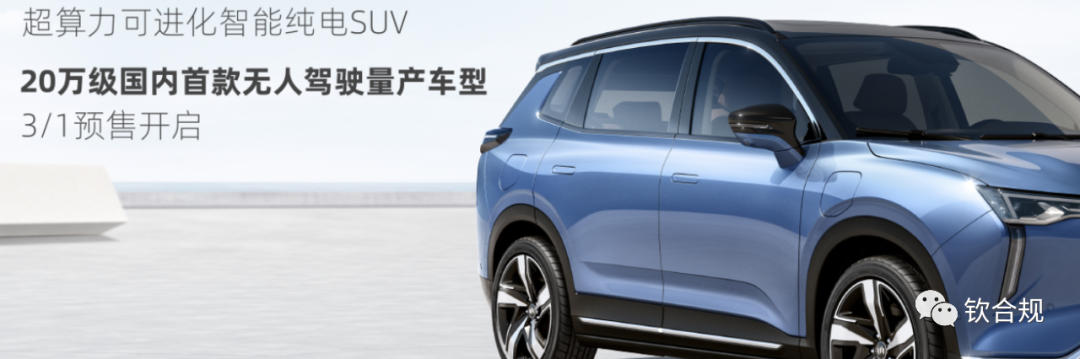
自动驾驶技术在快速发展,但我们的交通法规还是基于人类驾驶员制定的,所以很多人说即便“自动驾驶”技术实现了,法律法规仍然不允许车辆以“自动驾驶”的方式上路。Automated-driving technology is developing rapidly, but traffic rules remain based on human drivers. Many therefore argue that even technically achievable automation is not legally permitted on public roads.
那么以当前的法律法规,是不是真的不允许自动驾驶汽车上路呢?自动驾驶车辆的法律限制到底在哪里?本系列文章将带您探寻自动驾驶的法律边界。Do existing laws actually prohibit automated vehicles from operating? Where do the legal limits lie? This series explores those boundaries.
政策篇Policy
政策体现了我国发展的大方向,如果政策都不鼓励甚至拒斥“自动驾驶”的发展,那么“自动驾驶”的发展道路就被切断了。Policy indicates the country's overall direction. If it discouraged or rejected automated driving, that development path would be blocked.
在我国,“自动驾驶”在政策上不仅不限制、不排斥,还是重要战略方向!Chinese policy does not merely tolerate automated driving: it identifies it as a significant strategic direction.
早期不排斥Early acceptance
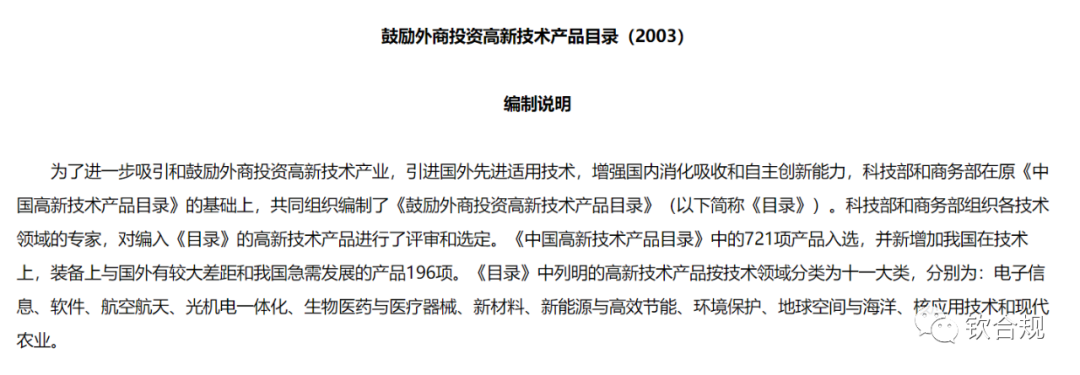
最早在2003年,科技部、商务部发布的《鼓励外商投资高新技术产品目录》中,就包含了“自动巡航控制系统(汽车辅助驾驶系统)”。As early as 2003, the Catalogue of High-Tech Products Encouraged for Foreign Investment, issued by the science and technology and commerce ministries, included “automatic cruise-control systems (automotive driver-assistance systems).”
2013年,科技部发布的“2013年度国家星火计划立项项目清单”包含了“智能化汽车辅助驾驶激光夜视仪”这个项目。The Ministry of Science and Technology's 2013 Spark Program project list included an intelligent automotive driver-assistance laser night-vision project.

从这些早期的鼓励发展项目,可以看出我国起码是不排斥“自动驾驶”相关技术的引入和开发的。These early encouraged projects show, at a minimum, an openness to introducing and developing technologies related to automated driving.
“互联网+”时代推动“互联网+”汽车The Internet Plus era and connected vehicles
2014年,国务院发布了《关于加快新能源汽车推广应用的指导意见》,提到“不断提高现代信息技术在新能源汽车商业运营模式创新中的应用水平,鼓励互联网企业参与新能源汽车技术研发和运营服务,加快智能电网、移动互联网、物联网、大数据等新技术应用,为新能源汽车推广应用带来更多便利和实惠。”这时候初见“智能汽车”的端倪,并且也与推广新能源汽车密不可分。In 2014, the State Council's guidance on accelerating the promotion of new energy vehicles called for greater application of information technology in commercial models, internet-company participation in vehicle R&D and services, and faster adoption of smart grids, mobile internet, the Internet of Things and big data. Intelligent vehicles were beginning to emerge alongside EV promotion.
2015年,国务院发布了《关于积极推进“互联网+”行动的指导意见》,其中提到“促进人工智能在智能家居、智能终端、智能汽车、机器人等领域的推广应用”,“推动汽车企业与互联网企业设立跨界交叉的创新平台,加快智能辅助驾驶、复杂环境感知、车载智能设备等技术产品的研发与应用。”In 2015, State Council guidance on the Internet Plus initiative called for AI applications in smart homes, terminals, intelligent vehicles and robots, and for cross-industry innovation platforms linking automotive and internet companies to advance driver assistance, complex-environment perception and onboard intelligent equipment.
这是第一次国家明确提出推进智能辅助驾驶的发展。This was the first explicit national proposal to advance intelligent driver assistance.
自动驾驶正式成为国家战略Automated driving becomes a national strategy
2016年,国务院发布了《“十三五”国家科技创新规划》和《“十三五”国家战略性新兴产业发展规划》,提出“重点发展电动汽车智能化、网联化、轻量化技术及自动驾驶技术”,“加速电动汽车智能化技术应用创新,发展智能自动驾驶汽车。”这是第一次在政策里直接使用“自动驾驶”这个词汇,并且将“自动驾驶”作为国家发展战略。In 2016, the State Council's 13th Five-Year plans for science and technology innovation and strategic emerging industries prioritized intelligent, connected and lightweight EV technologies and automated driving, alongside faster innovation in intelligent EV applications. This was the first direct use of “automated driving” in these policies as a national strategic objective.

可以说从这时候起,我国就坚定了发展“自动驾驶”技术这条道路, “十三五”这个抬头的分量,我想没有人会怀疑吧。From that point, the commitment to developing the technology was clear. The significance of its inclusion in a Five-Year Plan is difficult to doubt.
自那以后,“自动驾驶”这个词汇就开始频繁出现在政策文件中,比如《促进新一代人工智能产业发展三年行动计划(2018―2020年)》、《国务院关于印发新一代人工智能发展规划的通知》、《数字交通发展规划纲要》等等,都将“自动驾驶”作为发展目标进行规划。The term then appeared repeatedly in documents including the Three-Year Action Plan for the Development of a New Generation Artificial Intelligence Industry (2018–2020), the New Generation Artificial Intelligence Development Plan and the Digital Transport Development Planning Outline, all treating automated driving as a development objective.
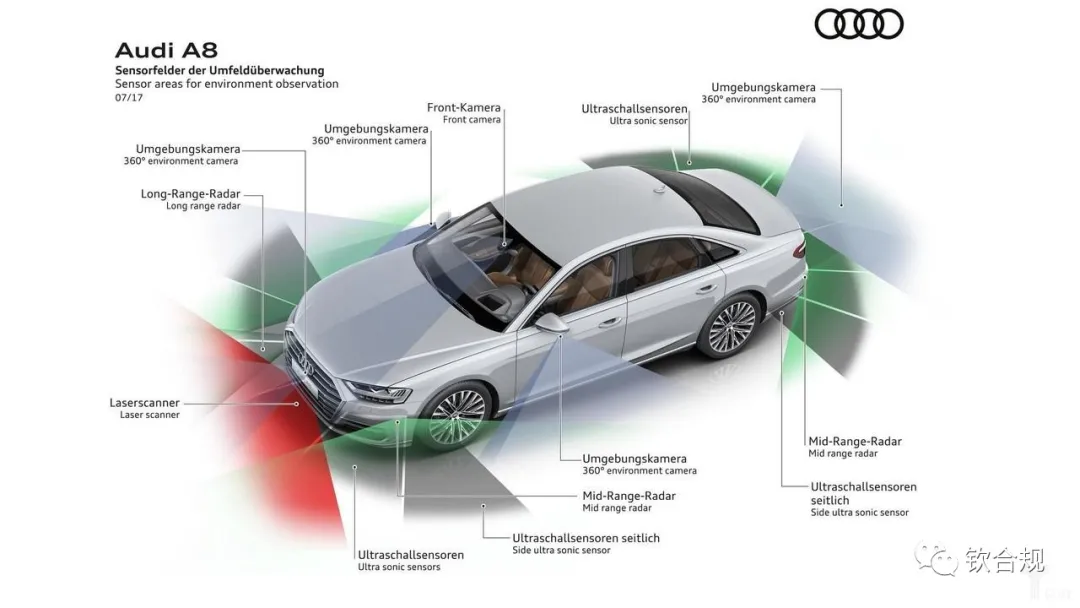
2018年12月,国家工信部发布了《车联网(智能网联汽车)产业发展行动计划》,目标在2020年实现“具备高级别自动驾驶功能的智能网联汽车实现特定场景规模应用”,“构建能够支撑有条件自动驾驶(L3级)及以上的智能网联汽车技术体系,形成安全可信的软硬件集成与应用能力。”In December 2018, the Ministry of Industry and Information Technology's Internet of Vehicles (Intelligent Connected Vehicles) Industry Development Action Plan targeted scaled use of highly automated connected vehicles in specified scenarios by 2020 and a safe, reliable hardware and software system supporting conditional automation, Level 3 and above.
比照目前市面上的“自动驾驶”方案,2020年这个目标是否已经实现?Compared with the automated-driving systems available today, was that 2020 target achieved?

2020展望未来Looking ahead from 2020
2020年密集发布了一系列的有关“自动驾驶”的政策,描绘了一幅“智能出行”的未来景象。A concentrated series of automated-driving policies issued in 2020 depicted a future of intelligent mobility.
2020年2月10日,发改委、网络安全和信息化部、科技部、工信部、公安部、财政部、自然资源部、住房和城乡建设部、交通运输部、商务部、市监总局十一个部门联合发布了《智能汽车创新发展战略》,提出“到2025年,中国标准智能汽车的技术创新、产业生态、基础设施、法规标准、产品监管和网络安全体系基本形成。实现有条件自动驾驶的智能汽车达到规模化生产,实现高度自动驾驶的智能汽车在特定环境下市场化应用。”,“展望2035到2050年,中国标准智能汽车体系全面建成、更加完善。安全、高效、绿色、文明的智能汽车强国愿景逐步实现,智能汽车充分满足人民日益增长的美好生活需要。”这里提到的“有条件自动驾驶”和“高度自动驾驶”是指什么?On February 10, 2020, eleven authorities—including the development and reform, cyberspace, science and technology, industry, public security, finance, natural resources, housing, transport, commerce and market-regulation authorities—jointly issued the Strategy for Innovative Development of Intelligent Vehicles. It targeted a basic Chinese-standard system covering technology, industry, infrastructure, regulation, product supervision and cybersecurity by 2025, scaled production of conditionally automated vehicles and commercial use of highly automated vehicles in specified environments. Looking toward 2035–2050, it envisioned a complete and increasingly sophisticated system delivering safe, efficient and sustainable mobility. What do “conditional” and “high” automation mean here?
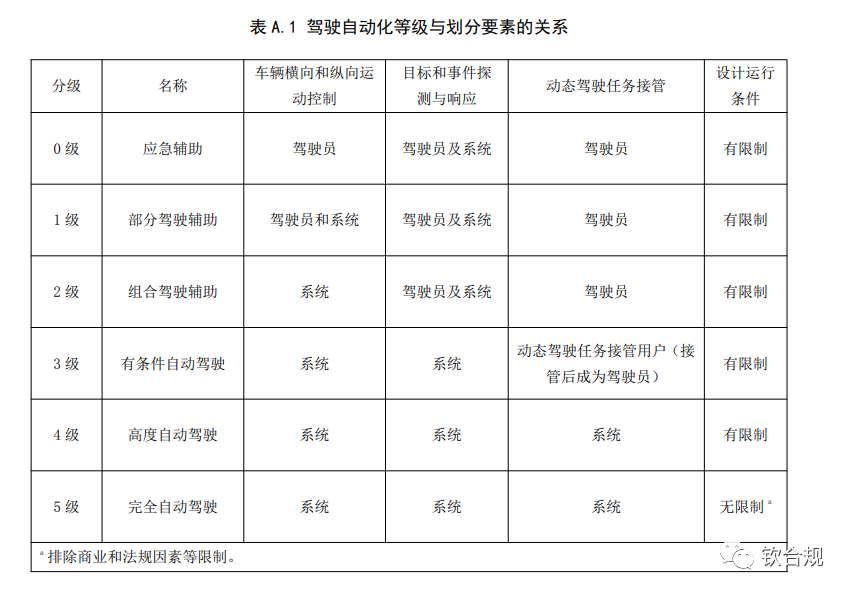
依据2021年1月1日正式实施的国家推荐性标准《汽车驾驶自动化分级》,“有条件自动驾驶”就是指L3级驾驶自动化,而“高度自动驾驶”就是指L4级驾驶自动化。具体各个级别有什么区别,说来话长,我将另外单独写一篇解读文章。Under the recommended national standard on driving-automation classification cited in the original article as effective from January 1, 2021, conditional automation means Level 3 and high automation means Level 4. The distinctions between levels require a separate explanation, which I plan to provide in another article.
也就是说,目标在2025年,L3级驾驶自动化要达到规模化生产,L4级驾驶自动化在特定环境下进行市场化应用。In other words, the 2025 objectives were scaled production of Level 3 vehicles and commercial use of Level 4 vehicles in specified environments.
2020年7月15日,国务院发布《关于进一步优化营商环境更好服务市场主体的实施意见》,提出“统一智能网联汽车自动驾驶功能测试标准,推动实现封闭场地测试结果全国通用互认,督促封闭场地向社会公开测试服务项目及收费标准,简化测试通知书申领及异地换发手续,对测试通知书到期但车辆状态未改变的无需重复测试、直接延长期限。降低导航电子地图制作测绘资质申请条件,压减资质延续和信息变更的办理时间。”On July 15, 2020, the State Council's implementation opinions on improving the business environment called for unified automated-driving testing standards, nationwide recognition of closed-site results, public disclosure of testing services and charges, simpler testing-document procedures, extensions without retesting unchanged vehicles, and lower application requirements and shorter processing times for navigation-map surveying qualifications.
如何测试一个系统是否达到了什么级别,也就是自动驾驶等级的评级,目前还没有一个统一的标准。评级的标准、操作规程的完善,是“自动驾驶”量产化、商业化过程中不可缺少的一环。There is currently no unified standard for testing which automation level a system meets. Developing classification standards and operating procedures is an essential part of mass production and commercialization.
另外值得注意的是,对于导航电子地图制作测绘资质申请条件的降低的意义。很多“自动驾驶”方案都离不开高精地图的支持。Lowering the requirements for navigation-map surveying qualifications also matters: many automated-driving systems depend on high-definition maps.
2016年2月,国家测绘地理信息局发布了《关于加强自动驾驶地图生产测试与应用管理的通知》,规定“自动驾驶地图属于导航电子地图的新型种类和重要组成部分,其数据采集、编辑加工和生产制作必须由具有导航电子地图制作测绘资质的单位承担。导航电子地图制作单位在与汽车企业合作开展自动驾驶地图的研发测试时,必须由导航电子地图制作单位单独从事所涉及的测绘活动。”In February 2016, the national surveying authority's notice on automated-driving map production, testing and application stated that these maps are a new and important form of electronic navigation map. Their data collection, editing and production must be undertaken by qualified navigation-map surveying entities. In joint R&D and testing with car manufacturers, the map-production entity must conduct the relevant surveying activities independently.
意味着光有技术没有地图制作测绘资质的话,必须寻求与具有资质的单位进行合作,无疑增加了一个公司完全自主研发自动驾驶技术的成本,也增加了一个受制于第三方公司的掣肘之处。A technically capable company without the qualification must therefore partner with a qualified entity. This increases the cost of fully independent development and introduces dependence on a third party.
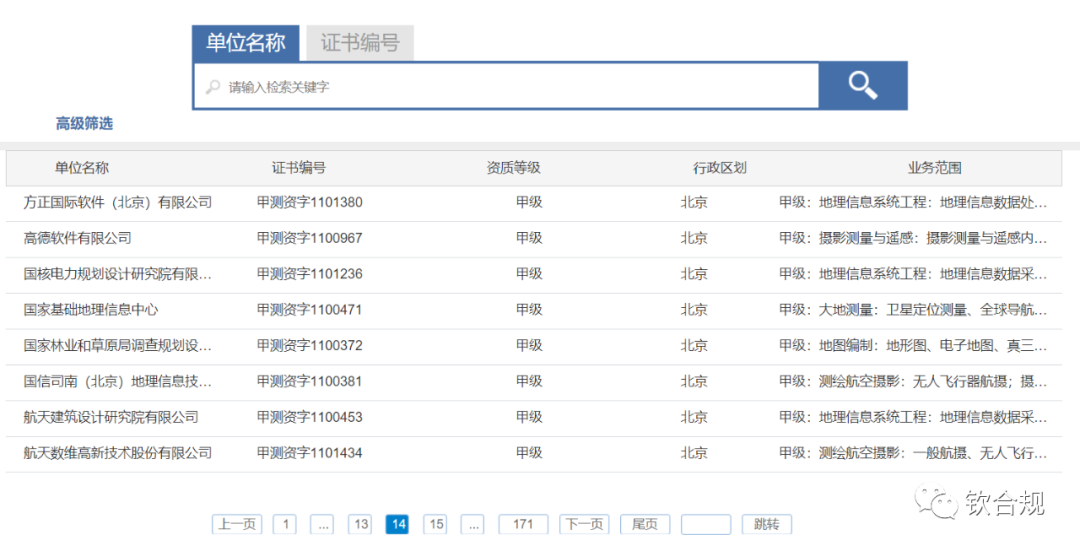
因此,降低导航电子地图制作测绘资质申请条件,也是对“自动驾驶”开发的一个重要的鼓励措施。Easing qualification requirements is consequently an important incentive for automated-driving development.
2020年8月3日,交通运输部发布《关于推动交通运输领域新型基础设施建设的指导意见》,目标“到2035年,交通运输领域新型基础设施建设取得显著成效。先进信息技术深度赋能交通基础设施,精准感知、精确分析、精细管理和精心服务能力全面提升,成为加快建设交通强国的有力支撑。基础设施建设运营能耗水平有效控制。泛在感知设施、先进传输网络、北斗时空信息服务在交通运输行业深度覆盖,行业数据中心和网络安全体系基本建立,智能列车、自动驾驶汽车、智能船舶等逐步应用。科技创新支撑能力显著提升,前瞻性技术应用水平居世界前列。”On August 3, 2020, the Ministry of Transport's guidance on new transport infrastructure envisaged substantial progress by 2035: deep integration of information technology, improved sensing, analysis, management and services, controlled infrastructure energy consumption, extensive sensing and communication networks and BeiDou services, basic industry data centers and cybersecurity systems, and progressive use of intelligent trains, automated vehicles and intelligent ships. It also sought stronger innovation capabilities and internationally advanced applications.
2020年10月20日,国务院发布《新能源汽车产业发展规划(2021—2035年)》,提出“到2025年,高度自动驾驶汽车实现限定区域和特定场景商业化应用”,“力争经过15年的持续努力,高度自动驾驶汽车实现规模化应用。”On October 20, 2020, the State Council's New Energy Vehicle Industry Development Plan (2021–2035) targeted commercial use of highly automated vehicles in limited areas and specified scenarios by 2025, with scaled application after approximately fifteen years of continued effort.
2020年12月20日,交通运输部发布《关于促进道路交通自动驾驶技术发展和应用的指导意见》,提出“到2025年,自动驾驶基础理论研究取得积极进展,道路基础设施智能化、车路协同等关键技术及产品研发和测试验证取得重要突破;出台一批自动驾驶方面的基础性、关键性标准;建成一批国家级自动驾驶测试基地和先导应用示范工程,在部分场景实现规模化应用,推动自动驾驶技术产业化落地。”On December 20, 2020, the Ministry of Transport's guidance on automated-driving technology in road transport called for progress in basic research by 2025, breakthroughs in intelligent roads and vehicle–infrastructure cooperation, foundational and key standards, national testing bases and demonstration projects, and scaled deployment in some scenarios to support commercialization.
总结来说:In summary:
1、2025年,L3级自动驾驶被广泛运用,L4自动驾驶特定场景下市场化应用;1. By 2025, Level 3 automation should be widely used and Level 4 commercially applied in specified scenarios.
2、2035年,L4级自动驾驶被大规模应用;2. By 2035, Level 4 automation should be deployed at scale.
3、自动驾驶相关标准和法律法规完善;3. Related standards, laws and regulations should become more complete.
4、自动驾驶除了依赖车辆本身的算力、感应之外,还要依靠智能交通基础设施的完善,以达到“车路协同”状态下的自动驾驶。4. Automated driving depends not only on onboard computing and sensing but also on intelligent transport infrastructure capable of supporting vehicle–infrastructure cooperation.
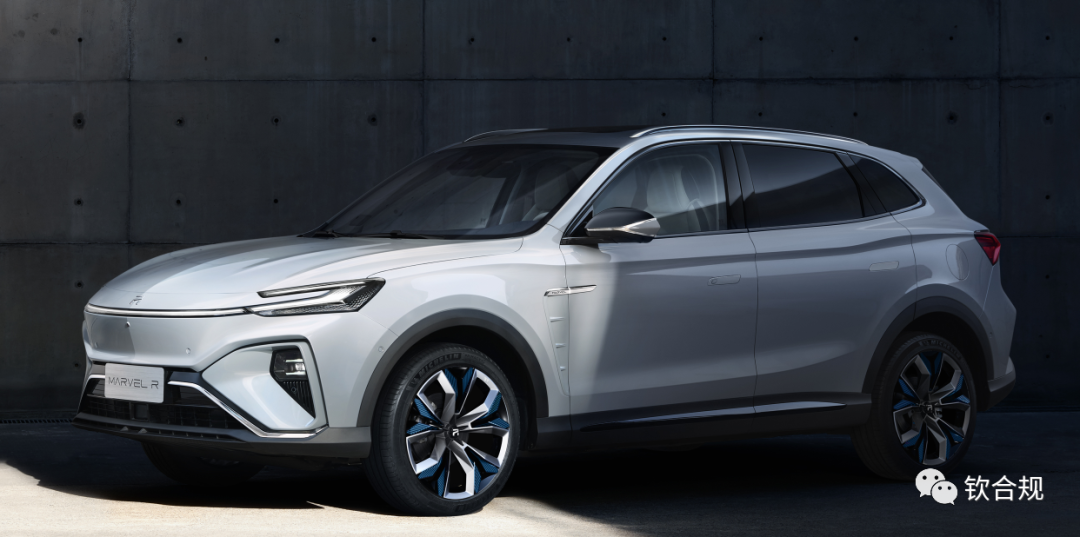
只过4年,我们是否就能够看到“自动驾驶”汽车满大街跑这样的科幻景象呢?让我们拭目以待吧。Could this science-fiction image of automated vehicles filling the streets emerge in only four years? Let us wait and see.