
按照国务院发布的《新能源汽车产业发展规划(2021-2035)》,到2025年,新能源汽车新车销售量达到汽车新车销售总量的20%左右。The State Council's New Energy Vehicle Industry Development Plan (2021–2035) sets a target for new energy vehicles to account for around 20% of new vehicle sales by 2025.
而按照乘联会的统计,2022年2月新能源汽车国内零售渗透率已经达到了21.8%(http://www.cpcaauto.com/newslist.php?types=csjd&id=2697)。According to the China Passenger Car Association, their share of domestic retail sales had already reached 21.8% in February 2022 (http://www.cpcaauto.com/newslist.php?types=csjd&id=2697).
我国的新能源汽车市场的发展,可能会远超预期。China's new energy vehicle market may develop considerably faster than anticipated.
越来越多的人愿意尝试新能源汽车,基数的增加也使得更多的用车问题被逐渐暴露出来。As more people try these vehicles, the growing user base also brings more ownership issues to light.
“锁电”就是其中之一。Restricting usable battery capacity is one such issue.
在谈法律之前,有必要先谈事实。Before discussing law, we should establish the facts.
什么是“锁电”?What does restricting battery capacity mean?
续航,是新能源汽车绕不开的问题,也是用户在选购时关注的重点。Range is an unavoidable issue for new energy vehicles and a central consideration for buyers.
回头看看2012年发布的《节能与新能源汽车产业发展规划(2012―2020年)》,到2015年,我们的目标仅仅是纯电动乘用车综合工况续航里程不低于150公里。Looking back at the Energy-Saving and New Energy Vehicle Industry Development Plan (2012–2020), published in 2012, the 2015 target was merely a combined-cycle range of at least 150 km for battery-electric passenger cars.
而现在,各家车企的续航标称已经普遍可以达到500公里甚至600公里以上。Manufacturers now commonly advertise ranges of 500 km or even over 600 km.

进步是明显的,但企业的这些宣传数据并不能代表实际用车的里程。That is clear progress, but advertised figures do not represent actual driving range.
我们经常能够看到的续航数据,是各家车企公布的,在NEDC工况和CLTC工况下测试出的数据。这些工况的测试条件,与实际用车的状况相差甚远,所以并不能反映冬季暖风高速、日常多次短途冷车启动等高能耗场景。The range figures manufacturers publish are generally measured under NEDC or CLTC conditions. Those test conditions differ substantially from actual use and do not capture energy-intensive situations such as winter highway driving with heating or repeated short journeys starting with a cold vehicle.
车主实际用车能跑的里程,要在企业公布的里程数据上打不少折扣。Actual driving range can therefore be considerably lower than the published figure.
更能真实反映电动车续航里程的参数,是车载电池容量,和车辆实际的百公里能耗。Battery capacity and actual energy consumption per 100 km are more informative measures of an EV's range.
一辆电池容量80度(kwh)的电动车,如果高速的实际能耗是20度/100公里,那么实际充满能跑的里程就是(80/20)×100=400公里。An EV with an 80 kWh battery consuming 20 kWh per 100 km on a highway has a fully charged range of (80/20) × 100 = 400 km.
“锁电”锁的就是这个80度的电池容量。Capacity restriction acts on that 80 kWh of battery energy.
本来能使用80度能量的电池,车企通过BMS系统软件限制了充放电量,使得实际电池里有10度电(举例)是不允许使用的,那么车主实际能够使用的电量只剩下70度,同样是20度/百公里,充满实际能跑的里程就变成了350公里。Suppose the manufacturer uses BMS software to prevent 10 kWh from being used. A battery originally providing 80 kWh then offers the owner only 70 kWh. At the same consumption of 20 kWh per 100 km, fully charged range falls to 350 km.
为什么要“锁电”?Why restrict capacity?
不久之前,第一财经报道了有车主质疑威马汽车“锁电”,其反映在去4S店保养之后续航里程明显不如以前,但威马汽车对“锁电”予以否认。Yicai recently reported that some WM Motor owners suspected capacity restrictions after noticing a substantial reduction in range following dealership servicing. WM Motor denied imposing such restrictions.
(新闻链接:https://www.yicai.com/video/101345972.html)Report: https://www.yicai.com/video/101345972.html
而据澎湃新闻的报道,作为造车新势力“头部”的小鹏汽车,也发生了被投诉“锁电”的情况。The Paper also reported complaints about alleged capacity restrictions at XPeng, another leading EV startup.
一位四川的P7车主称,按照官方的宣传P7的电池容量应该是80.9度,充到90%应该是将近73度电。但是经过他的尝试,在把电量几乎放空后充电到90%,充电桩显示充电量只有66.36度,这还是没有计算上充电电缆损耗的充电量。A P7 owner in Sichuan said the advertised battery capacity was 80.9 kWh, so a 90% charge should represent nearly 73 kWh. After nearly emptying the battery and charging to 90%, however, the charger displayed only 66.36 kWh supplied, before accounting for cable losses.
(新闻链接:https://www.thepaper.cn/newsDetail_forward_17064003)Report: https://www.thepaper.cn/newsDetail_forward_17064003
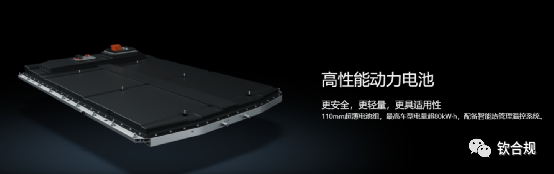
报道中提到的威马EX5和小鹏P7四驱版使用的都是三元锂电池,这种电池的特点是能量密度大,活性高,同样的重量下能带来更长的续航,但也需要更多的“呵护”,防止热失控。The reported WM EX5 and all-wheel-drive XPeng P7 both use ternary lithium batteries. These offer high energy density and activity, providing longer range for the same weight, but require greater care to prevent thermal runaway.
车企一般不建议车主把电池用光再充电,而且充电量也建议不要超过90%(防止过充、过放),这种保守的用车建议侧面反映了车企对三元锂电池的“忌惮”。Manufacturers generally advise owners not to fully discharge the battery and not to charge beyond 90%, to avoid overcharging and overdischarging. Such conservative advice reflects their caution about these batteries.
同时,相比于从0到100%的满充满放的用电方式,在中间区间(如20%到80%)范围内用电更有利于电池的使用寿命,可以延缓循环衰减。Using a middle charge band, such as 20% to 80%, rather than repeatedly charging and discharging between 0% and 100%, also helps battery life by slowing cycle degradation.
于是一个可能性较大的推测就是,“锁电”是为了让车主使用三元锂电池的充放电区间保持在安全范围内,从而延长电池寿命,保证电池安全。A plausible explanation is therefore that capacity restrictions keep charging and discharging within a safer band, extending battery life and protecting safety.
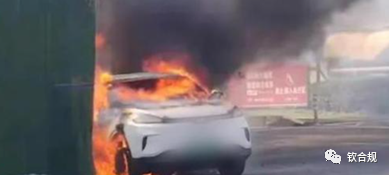
“锁电”和“藏电”Restricting capacity versus concealing a reserve
从新闻报道可以看出,目前几乎没有车企在车主质疑后愿意承认进行了“锁电”操作,实际上是否“锁电”在新闻中一直停留在一种质疑的阶段。车主只能通过自己的充电、续航统计这些数据来侧面推测车企进行了“锁电”操作,而缺少直接证据。Reports show that manufacturers rarely admit capacity restrictions when owners question them. Whether restrictions occurred often remains an allegation: owners infer them from charging and range records rather than direct evidence.
其实对于掌握电动车后台数据的车企来说,这些数据他们都有,车主在信息上处在明显的劣势地位。Manufacturers controlling backend vehicle data have access to the relevant information, leaving owners at a substantial informational disadvantage.
另外为了达到控制电池使用区间这个目的,相比于“锁电”这种粗暴的操作,车企还能在电量显示上(表显SOC)做文章,进行“藏电”。To control battery use, manufacturers could also manipulate the displayed state of charge, concealing a reserve rather than imposing an outright restriction.
同样是80度电池的例子,车主从充满开始使用了70度电,但这时候续航显示已经是0了,这时候车主就应该去充电了。但实际上如果车主胆子大继续开的话,后面还有“藏着”的10度电可以给使用。Consider the same 80 kWh battery. After the owner uses 70 kWh, the displayed range reaches zero, prompting recharging. In fact, another 10 kWh remains available if the owner continues driving.
其实就是用不真实的续航显示来引导车主只用70度电,但并不禁止车主使用剩下的10度电,实际上车主依然能够享受这80度电。An inaccurate range display thus encourages the owner to use only 70 kWh without prohibiting use of the remaining 10 kWh. The full 80 kWh remains technically available.
同样的,是否“藏电”车主也很难知晓,也只能通过自己的使用数据来推测。Owners similarly find it difficult to know whether a reserve is concealed and must infer it from their own usage records.
下面就以上事实,来聊聊法律问题。Against that factual background, we can examine the legal questions.
允不允许“锁电”?Are capacity restrictions permitted?
仅就“锁电”这种行为来说,既然三元锂电池具有需要倍加“呵护”的特点,那么国家是否就允许企业为了安全去进行“锁电”呢?Given ternary lithium batteries' need for care, does the state permit manufacturers to restrict capacity for safety?
答案是没有明确的规定,更没有强制性的规定。There is no explicit rule authorizing this, still less a mandatory requirement to do it.
《电动汽车用电池管理系统技术条件》(GB/T 38661-2020)要求电池管理系统应具有防止电池系统过充电、过放电、过流、过温的保护功能。Technical Specifications for Battery Management Systems for Electric Vehicles (GB/T 38661-2020) requires protective functions against overcharging, overdischarging, excessive current and overheating.
《电动汽车用电池管理系统功能安全要求及试验方法》(GB/T 39086-2020)要求电池管理系统在发现过充过放超过安全阈值时,应断开高压回路。这里的安全阈值应根据电池系统制造商过充电测试结果给出。Functional Safety Requirements and Test Methods for Battery Management Systems for Electric Vehicles (GB/T 39086-2020) requires disconnection of the high-voltage circuit when overcharge or overdischarge exceeds a safety threshold. That threshold is to be determined from the battery-system manufacturer's overcharge tests.
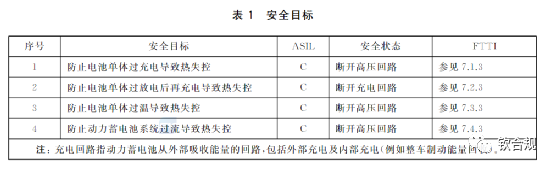
BMS的相关国标仅仅规定了过充过放极限状态的安全要求,并没有明确BMS是否可以提前限制使用电量来避免未来潜在的危险。These national BMS standards address safety at extreme charging and discharging limits. They do not expressly resolve whether a BMS may pre-emptively limit usable energy to avoid a potential future risk.
更何况这两项标准都是推荐性标准,没有强制力,只能作为参考。Moreover, both are recommended rather than mandatory standards and serve as references.
允不允许偷偷“锁电”?Are undisclosed capacity restrictions permitted?
那么既然国家还没有明令禁止,依据私权领域法不禁止则自由的原则,是否意味着企业就能背着消费者偷偷“锁电”而不告知呢?If no express prohibition exists, does the private-law principle that what is not prohibited is permitted allow manufacturers to impose restrictions without informing consumers?
答案是不允许!My answer is no.
《消费者权益保护法》第二十三条规定:Article 23 of the Law on the Protection of Consumer Rights and Interests provides:
“经营者应当保证在正常使用商品或者接受服务的情况下其提供的商品或者服务应当具有的质量、性能、用途和有效期限;“Business operators shall ensure that the goods or services they provide possess the quality, performance, uses and useful life they should have under normal use or receipt of services;
但消费者在购买该商品或者接受该服务前已经知道其存在瑕疵,且存在该瑕疵不违反法律强制性规定的除外。”except where the consumer knew of the defect before purchase or receipt and the defect does not violate mandatory legal provisions.”
关键在于后半句,不允许“偷偷”。The exception is crucial: secrecy is not permitted.
如果车企提前告知消费者可能未来会采取“锁电”影响可用的电池度数,而消费者也真的对这种瑕疵表示接受,那么即使“锁电”了也不会影响产品在消费者心里的预期,车企就不存在法律责任。If a manufacturer informs consumers in advance that it may restrict usable capacity and consumers genuinely accept that limitation, imposing it would not undermine their product expectations or create liability on that basis.
但我相信还没有车企有这样的宣传魄力。I doubt many manufacturers would be willing to advertise in those terms.
那么按照这条规定,前面所说的偷偷“藏电”是否允许呢?Would concealing a reserve nevertheless be permitted under this provision?
“锁电”是会实打实地影响电池的性能,买的是80度的电池只能用70度。Capacity restriction directly affects performance: an 80 kWh battery provides only 70 kWh for use.
“藏电”的刁钻之处在于,虽然用虚假的信息误导了车主,但车主的80度电池还是可以用80度,并不影响电池的性能。Concealing a reserve is subtler: misleading information is presented, but the full 80 kWh remains usable, so battery capacity itself is unaffected.
但我个人依然偏向于:不允许。My own view remains that this should not be permitted.
理由在于车辆的仪表应当具有的用途是能够向车主客观地反应车辆状态,一个虚假的仪表是不符合它的用途的。A vehicle's instruments should objectively communicate its condition. An inaccurate display does not fulfill that purpose.
电动汽车的真实剩余电量是电动汽车的关键信息,车辆的表显SOC应当能够真实反应剩余电量,否则就不符合仪表应当具有的用途。Actual remaining energy is essential EV information. Displayed state of charge should accurately reflect it; otherwise, the instrument does not perform its intended function.
和“锁电”同理,车企也应当明确向消费者告知仪表是否准确,进而告知是否存在“藏电”。As with capacity restrictions, the manufacturer should disclose whether the display is accurate and whether a reserve is concealed.
企业是否应当明确回应消费者的质疑?Must manufacturers respond clearly to consumers' concerns?
答案是肯定的。Yes.
《消费者权益保护法》第八条规定:Article 8 of the Law on the Protection of Consumer Rights and Interests provides:
“消费者享有知悉其购买、使用的商品或者接受的服务的真实情况的权利。“Consumers have the right to know the true circumstances of the goods they purchase or use and the services they receive.
消费者有权根据商品或者服务的不同情况,要求经营者提供商品的价格、产地、生产者、用途、性能、规格、等级、主要成份、生产日期、有效期限、检验合格证明、使用方法说明书、售后服务,或者服务的内容、规格、费用等有关情况。”第二十条规定:Depending on the goods or services, consumers may require information about price, origin, producer, uses, performance, specifications, grade, principal ingredients, production date, useful life, inspection certification, instructions and after-sales service, or the content, specifications and cost of services.” Article 20 provides:
“经营者对消费者就其提供的商品或者服务的质量和使用方法等问题提出的询问,应当作出真实、明确的答复。”“Business operators shall give truthful and clear answers to consumers' inquiries about the quality, methods of use and other aspects of the goods or services they provide.”
如何求证企业的说辞?How can manufacturers' explanations be tested?
车企回应了,就说没有“锁电”,消费者能怎么办?If the manufacturer simply denies restricting capacity, what can the consumer do?
消费者和车企始终处在一个极度的信息不对等状态中,车企掌握所有的数据,也掌握偷偷调整软件的技术,而消费者一无所知,任何问题只能靠猜。消费者难以对车企进行监督,也需要花费很多成本(时间、精力、第三方检测)才能搜集直接证据去推翻车企的说辞。The information imbalance is severe. Manufacturers control the data and the technology for changing software, while consumers know little and must infer what happened. Monitoring manufacturers is difficult, and obtaining direct evidence to challenge their explanations can require substantial time, effort and third-party testing costs.
《消费者权益保护法》第二十三条规定:Article 23 of the Law on the Protection of Consumer Rights and Interests provides:
“经营者提供的机动车、计算机、电视机、电冰箱、空调器、洗衣机等耐用商品或者装饰装修等服务,消费者自接受商品或者服务之日起六个月内发现瑕疵,发生争议的,由经营者承担有关瑕疵的举证责任。”“Where a dispute arises over a defect discovered within six months after a consumer receives a motor vehicle, computer, television, refrigerator, air conditioner, washing machine or other durable good, or renovation or decoration services, the business operator shall bear the burden of proving matters concerning the defect.”
六个月,是消费者能够掌握主动权的时间点。Six months is therefore an important period in which consumers may hold the evidential advantage.
但谁又能保证聪明的车企不能在六个月后再进行“锁电”、“藏电”呢?But who can guarantee that manufacturers will not wait until after six months to restrict capacity or conceal a reserve?
信息如何透明?How can information become transparent?
车辆各类信息透明、ota升级内容信息透明,用制度打破信息不对等的状态,才是根本上的解决之道。Transparency about vehicle information and OTA updates, supported by rules that address the information imbalance, is the fundamental solution.
2020年11月25日,市场监督管理总局发布了《关于进一步加强汽车远程升级(OTA)技术召回监管的通知》,要求:On November 25, 2020, the State Administration for Market Regulation issued the Notice on Further Strengthening Recall Supervision of Automotive Over-the-Air (OTA) Technology, requiring that:
“生产者采用OTA方式消除汽车产品缺陷、实施召回的,应按照《条例》及《实施办法》要求,制定召回计划,向市场监管总局质量发展局备案,依法履行召回主体责任。”“Manufacturers using OTA updates to eliminate automotive product defects and implement recalls shall prepare recall plans, file them with the administration's Quality Development Bureau and discharge their recall responsibilities under the relevant regulations and implementing measures.”
“消费者、零部件生产者、软件与系统或数据服务商等获知生产者采用OTA方式隐瞒车辆缺陷、规避召回责任的,可以直接向市场监管总局质量发展局报告。”“Consumers, component manufacturers and software, system or data service providers who learn that a manufacturer is using OTA updates to conceal vehicle defects or evade recall obligations may report directly to the Quality Development Bureau.”
电动汽车,是时候该坦诚一点了。It is time for greater candor about electric vehicles.