前一篇梳理了我国关于自动驾驶的政策,按照我国的发展目标:The previous article reviewed China's automated-driving policies. Their development objectives include:
1、2025年,L3级自动驾驶被广泛运用,L4级自动驾驶能够特定场景下市场化应用;1. Wide use of Level 3 automation and commercial use of Level 4 in specified scenarios by 2025.
2、2035年,L4级自动驾驶被大规模应用。2. Large-scale use of Level 4 automation by 2035.
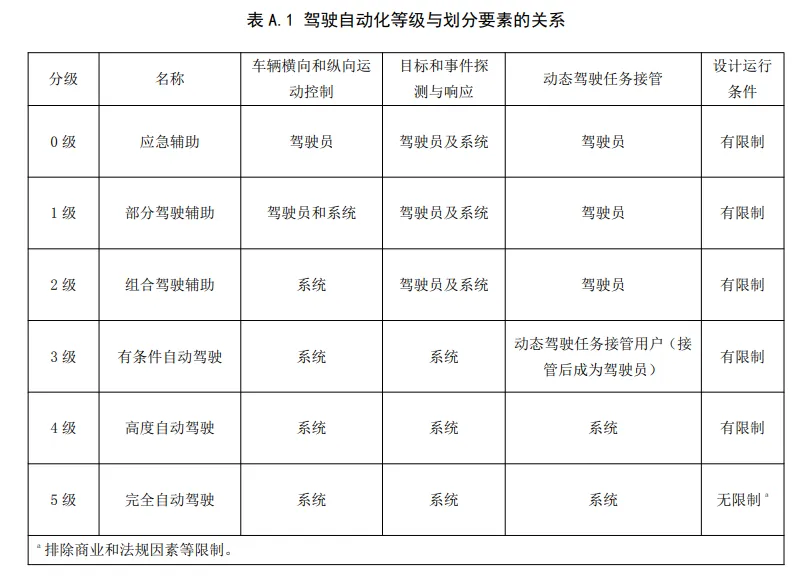
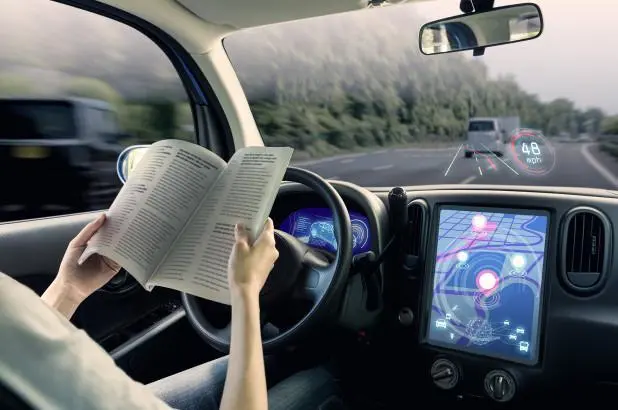
从L3级(有条件的自动驾驶)自动驾驶开始,车辆在大部分场景下已经不需要人为干预驾驶了,甚至是不需要驾驶员特地去关注路面(目标和事件探测与响应交给系统),可以双手离开方向盘,去做其他的事情。From Level 3 conditional automation onward, the vehicle does not require human intervention in many scenarios. The system handles object and event detection and response, potentially allowing the driver to release the steering wheel and do other things.
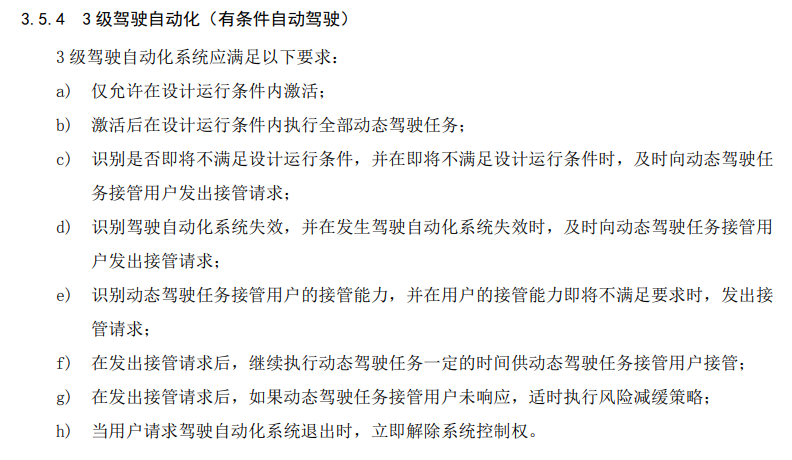
只有系统提示需要人工接管的时候,驾驶员才需要去接管车辆,而且这个过程并不是紧急的,而是ai规划之下的一个给驾驶员充分留有反应空间的过程,并且即使不接管,ai也能自主判断进行安全的停止(风险减缓策略)。The driver needs to take over when requested by the system. The original article describes this as a planned transition with adequate reaction time, rather than an emergency, and refers to autonomous safe stopping if the driver does not take over as a risk-mitigation strategy.
现在已经是2022年了,按照战略计划,短短3年之内,我们就能在路上看到司机边打游戏刷剧边开车的情景了么?It is now 2022. Under the strategic timetable, could drivers be playing games or watching shows while driving in only three years?
答案是未必,因为交通法规暂时还不允许这么潇洒的开车姿势。Not necessarily: traffic rules do not yet permit such a carefree approach.
双手能不能离开方向盘?May both hands leave the steering wheel?
现在很多人用上了辅助驾驶,于是网上开始出现这么一种产品:“辅助驾驶神器”。As more people use driver assistance, products marketed as driver-assistance accessories have appeared online.
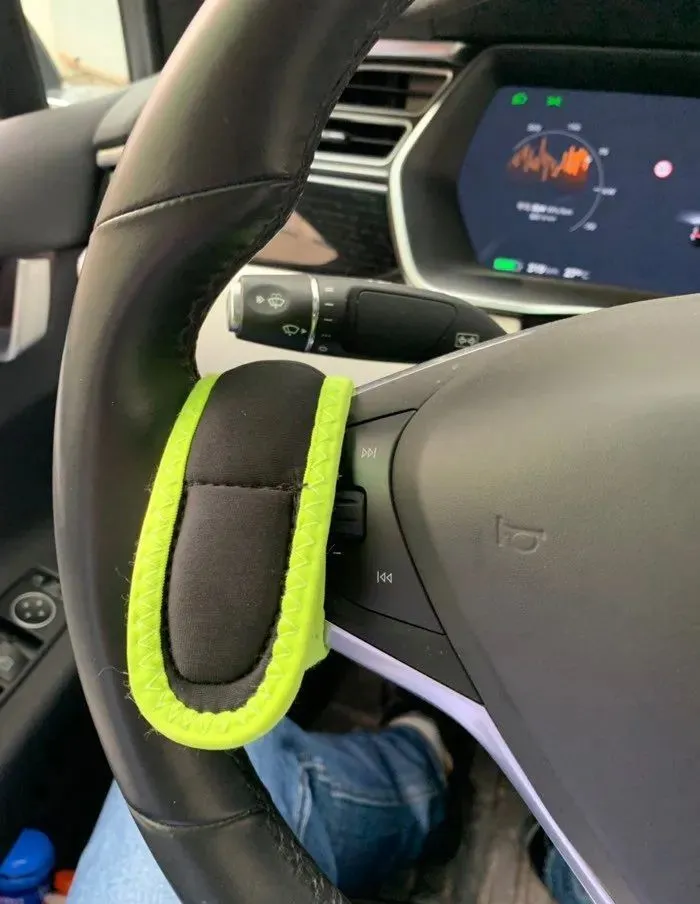
很多辅助驾驶方案为了让驾驶员随时保持关注路面,于是在方向盘上增加了力矩感应,驾驶员没有手握方向盘的时候,系统感应不到力矩,就会发出报警。Many systems use steering-wheel torque sensing to keep the driver's attention on the road. If no hand-generated torque is detected, an alert sounds.
道高一尺魔高一丈,聪明的人类为了彻底解放双手,就用一个负重环套在了方向盘上,模仿手握方向盘的力矩,这样系统就不会报警了。Some users place a weighted ring on the steering wheel to imitate hand pressure and defeat that alert.
这样的做法极其危险,不过也确实体现了驾驶员迫切希望解放双手的巨大愿望。This is extremely dangerous, but also reflects drivers' strong desire to free their hands completely.
网上的很多媒体在谈到自动驾驶技术先行但法律没有跟上的时候,总是会强调一点:In discussions of technology advancing ahead of law, many media reports emphasize:
“目前的法律法规并不允许驾驶员双手离开方向盘。”“Current laws and regulations do not allow drivers to take both hands off the steering wheel.”
这个结论并不准确。That statement is not precise.
对我国的《道路交通安全法》、《道路交通安全法实施条例》、《机动车驾驶证申领和使用规定》等法律法规进行检索,但通篇都没有发现不允许驾驶员双手离开方向盘的规定。Searches of the Road Traffic Safety Law, its implementing regulations and the rules on driving-license applications and use do not reveal an express provision prohibiting both hands from leaving the steering wheel.
不能解放双手:驾驶中禁止的行为Hands-free driving and prohibited conduct
虽然没有明确规定驾驶员双手不得离开方向盘,但是交通法规中的兜底规定,让这种愿望存在被处罚的风险。Although there is no express prohibition in those terms, the catch-all provisions of traffic rules create a risk of penalties.
《道路交通安全法实施条例》第六十二条规定:Article 62 of the Regulations for Implementation of the Road Traffic Safety Law provides:
“驾驶机动车不得有下列行为:“A person driving a motor vehicle shall not engage in the following conduct:
(三)拨打接听手持电话、观看电视等妨碍安全驾驶的行为”。(3) Making or answering calls on a handheld telephone, watching television, or other behavior that impedes safe driving.”
这个条款威力最大的一个字,是“等”。The most significant word is “other.”
只要是有可能妨碍安全驾驶的其他所有行为,都能通过这个“等”字纳入到这个规定里。It allows other conduct potentially impeding safe driving to fall within the provision.
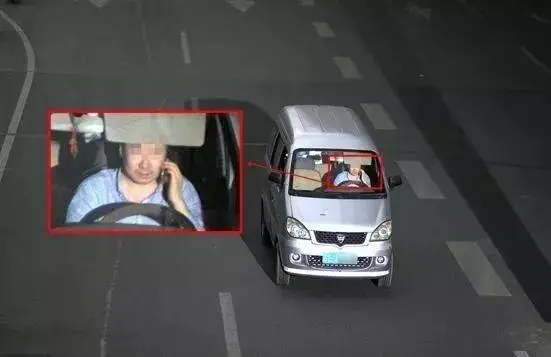
条款里列举的打电话和看电视,影响的是司机的关注度,所以这个条款在目的上规范的是“走神”这件事。The listed examples affect drivers' attention, indicating that the provision targets distraction.
而在依然需要人用双手驾驶车辆的时代,“手握方向盘”是表现一个人是否“关注于”驾驶的重要标志。Where people still need to steer manually, holding the wheel is an important indication of attention to driving.
“双手离开方向盘”会增加驾驶的不确定性,代表司机“走神”的可能很大。Taking both hands off the wheel increases uncertainty and can suggest distraction.
所以“双手离开方向盘”是有违法风险的。It therefore carries a risk of violating traffic rules.
会面临什么样的处罚?What penalties may follow?
新的《道路交通安全违法行为记分管理办法》第十一条规定:Article 11 of the new Measures for the Administration of Demerit Points for Road Traffic Safety Violations provides:
“机动车驾驶人有下列违法行为之一,一次记3分:“A motor vehicle driver shall receive three demerit points for any of the following violations:
(六)驾驶机动车有拨打、接听手持电话等妨碍安全驾驶的行为的”。(6) Making or answering calls on a handheld telephone or engaging in other behavior that impedes safe driving.”
更大的事故责任Greater accident liability
先来看看两个交通事故责任纠纷案例。Consider two traffic-accident liability cases.
案例一:(2018)京02民终967号Case 1: (2018) Jing 02 Min Zhong No. 967 [(2018)京02民终967号].
一辆重型普通货车路过十字路口与横向驶来的小客车相撞,重型货车之后又撞上了等待红灯的其他车辆。A heavy goods vehicle collided with a passenger vehicle crossing an intersection, then struck other vehicles waiting at a red light.
由于当时路口没有信号灯记录,双方对于到底谁闯黄灯的事实争论不下。With no record of the signals at the time, the parties disputed which vehicle had crossed on amber.
但是从交通事故现场视频显示,事故发生前货车司机有手臂离开方向盘并抬起的动作。最终,法院据此判定货车司机对该事故负主要责任。Accident video nevertheless showed the lorry driver's arm leaving the steering wheel and being raised before the collision. The court ultimately relied on that conduct in finding the lorry driver primarily responsible.
案例二:(2019)川0302民初880号Case 2: (2019) Chuan 0302 Min Chu No. 880 [(2019)川0302民初880号].
一个大型客车司机在开车的时候,右手离开方向盘去挪动放置在引擎盖上装有手机、驾驶证和行驶证等物品的塑料篮子,同时视线离开前方路面,致使车辆驶到路外侧翻,车内乘客54人受伤。A coach driver removed his right hand from the wheel to move a plastic basket on the engine cover containing a phone and vehicle and driving documents. Looking away from the road, he drove off it and overturned, injuring 54 passengers.
最终法院认定司机和挂靠的运输公司对事故承担全部赔偿责任。The court found the driver and the affiliated transport company fully liable for compensation.
按照目前的交规和责任认定的偏向,手离开方向盘是让责任增加的重要因素。Under the prevailing traffic rules and approach to fault allocation, removing a hand from the wheel is an important factor increasing liability.
现有责任认定规则带来的直接结果就是,自动驾驶的功能解放了驾驶员的双手,但是并没有减轻驾驶员的责任。The direct result is that automation may free drivers' hands without reducing their legal responsibilities.
立法的方向:能力越大,责任越大A direction for legislation: Greater capability, greater responsibility
随着自动驾驶能力的不断发展和提高,完全将驾驶过程中的责任归咎于驾驶员,只会让司机越来越纠结。As automation develops, placing all driving responsibility on the driver creates an increasingly difficult dilemma.
越强的功能鼓励司机去相信去不看路面,但严厉的归责又会让司机不敢不去看路面。Stronger functions encourage trust and reduced observation, while strict liability allocation discourages drivers from looking away.
看还是不看,这真是一个大问题。Whether to keep watching becomes a genuine dilemma.
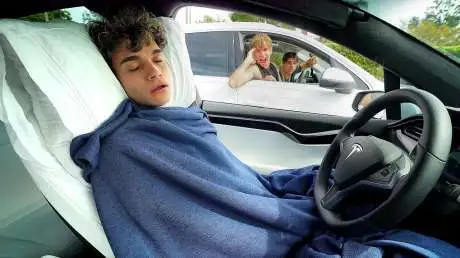
按照民事行为的过错责任原则,承担责任是与错误相关联的,事故中的错误显然除了其他车辆的违规之外,和自动驾驶开发企业具有更强烈的关联性。Under fault-based civil liability, responsibility is linked to error. Apart from violations by other vehicles, errors in automated driving can be closely connected to the developer.
开发商在宣扬功能强大的同时,必然也要对产品的表现负责。如果宣传车辆可以躲避障碍,但是实际并没有躲避导致了事故,开发商需要承担产品责任。Developers advertising powerful functions must also answer for product performance. If a vehicle is advertised as avoiding obstacles but fails to do so and causes a collision, product liability may follow.
于是规则上,自动驾驶车辆没有做到应有的功能的话(可能因为故障),可以由开发商承担责任。这种逻辑设定比较简单。Allocating liability to the developer when a function fails to perform as it should, perhaps because of a malfunction, is relatively straightforward in principle.
但对于自动驾驶正常运行下的责任认定,就是一项巨大的系统工程了,说来话长。Allocating responsibility while the automated-driving system is operating normally, however, requires a substantial and interconnected framework.
简单梳理下逻辑:Its reasoning can be outlined as follows:
车辆自动驾驶功能有没有违反交通规则?Did the automated-driving function violate traffic rules?
---有---开发商责任;If yes: consider the developer's liability.
---没有---司机手离方向盘是否承担责任?If no: is the driver liable for removing their hands from the wheel?
---承担---司机责任;If yes: consider the driver's liability.
---不承担---司机在什么情况下手离方向盘不需要承担责任?If no: under what conditions should hands-off driving not result in liability?
---在自动驾驶过程中---如何判断车辆在自动驾驶过程中?什么样的车辆属于自动驾驶车辆?判断的标准是什么?……During automated driving? Then how is automated operation established, which vehicles qualify, and by what standards? Further questions follow.

总结:正视法律的滞后性Conclusion: Recognizing law's time lag
法律的权威有一部分来自于法律的稳定性,朝令夕改的法律难以让人信服。但相应的,法律就必然会带有滞后性,无法一下子跟上技术进步的速度。Part of law's authority comes from stability. Rules that change constantly are difficult to trust. Stability also means that law inevitably lags and cannot immediately match technological progress.
处在进步与滞后夹缝中的用户,该如何面对快速发展的世界?How should users caught between progress and that delay respond?
我的答案是:怀有憧憬而保有敬畏。My answer is to remain hopeful while retaining respect for the risks.
憧憬科技的不断发展并拥抱科技所带来的生活方式的改变,对法律规则的进步怀有信心,同时也要敬畏技术发展过程中的风险和局限,严格遵守当前的法律规则。Embrace technological development and the changes it brings, and have confidence in legal progress, while recognizing technological limits and strictly observing current rules.
2022年,各大车企不仅开始在新能源汽车的领域加大砝码,更是在不断跨入自动驾驶领域的赛道。今年量产车辆上激光雷达的运用,意味着更高阶的辅助驾驶甚至是自动驾驶功能逐渐接近我们的生活。In 2022, manufacturers are increasing their commitments to both new energy vehicles and automated driving. LiDAR's appearance on production vehicles brings higher-level assistance and automation closer to everyday life.
拥抱这些技术的同时,很多人也会关心,难道在当前的交通法规之下,驾驶员真的无法保障自己的权利吗?如果自动驾驶功能真的出了故障,驾驶员又有哪些途径能否向厂商主张赔偿呢?Many users will also ask whether they can protect their rights under existing traffic rules, and how they can claim compensation from manufacturers if automated functions fail.
敬请关注自动驾驶的法律边界的下一篇:(三)权利救济篇。The next article in this series will consider remedies: Part III.