谈到辅助驾驶事故的时候,往往会有两种声音:Discussions of driver-assistance accidents often fall into two positions:
1、辅助驾驶系统完全不值得信任,辅助驾驶都是不靠谱的,出了事故是系统不够完善导致的,厂家应该承担所有的责任;1. Assistance systems are entirely unreliable. Accidents result from imperfect systems, so manufacturers should bear all responsibility.
2、辅助驾驶只是辅助,驾驶主体依然是人,所有的辅助驾驶事故都是人疏于接管导致的,驾驶员应该自担所有的责任。2. Assistance is only assistance. The human remains the driver, so every accident results from a failure to take over and the driver should bear all responsibility.
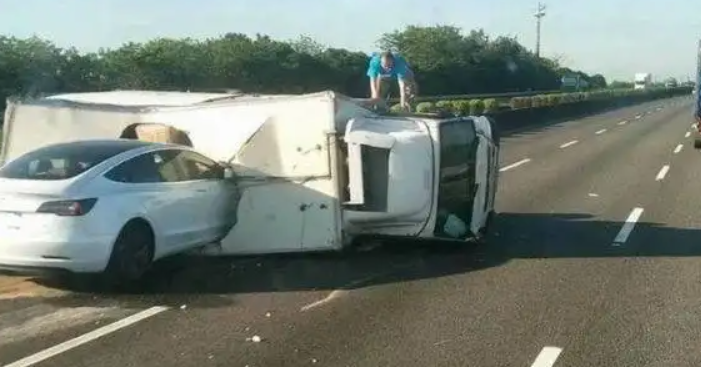
这两种声音表现了一种微妙的博弈,在“人机共驾”的L2系统里,到底是人的责任多一点,还是系统的责任多一点?These positions reflect a subtle tension: in a Level 2 system where person and machine share the driving task, which should bear more responsibility?
能力越大,责任越大Greater capability, greater responsibility
让我们先从朴素的正义观开始分析。Start with a straightforward sense of justice.
两个人合作项目,谁自己份内的事务没能做好,导致整个项目没成,谁就要承担责任。When two people collaborate, the person whose failure in their assigned work causes the project to fail should answer for it.
把“人机共驾”系统视为人和计算机的合作的话,这个正义观也是成立的。The same reasoning applies if shared driving is understood as collaboration between a person and a computer.
一个事故中,人和“辅助驾驶功能”谁的份内事没做好,谁就要承担责任。In an accident, whoever failed in their assigned task—the driver or the assistance function—should bear responsibility.
如果大家都没做好,谁的份内事占比越多或者重要性越高,谁就要承担更多的责任。If both failed, the party whose tasks were more extensive or important should bear a greater share.
那么问题在于,这个“份内”是由什么来决定的?What determines those assigned tasks?
两个人合作,一般是双方约定好的,我负责这个,你负责那个。In collaboration between two people, they usually agree who will do what.
放在“人机共驾”中,这个约定,除了法律的规定之外,就体现在:In shared driving, beyond legal requirements, that allocation appears in:
1、厂家的宣传(广告);2、厂家的提示(产品手册);3、合同的内容(服务或者买卖合同)。1. Manufacturers' advertising; 2. their instructions and product manuals; and 3. the service or sales contract.
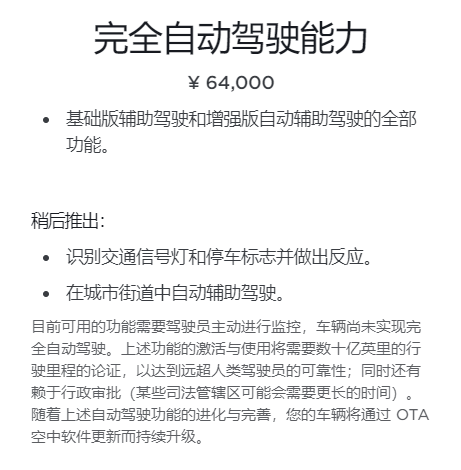
如果“辅助驾驶功能”被宣传和告知的能力越强,那么“它”要做好的份内事就越多,进而因为没做好就要承担责任的概率就越大,在责任中的比重也就越大。The more capable the function is advertised and described as being, the more work it is expected to perform, increasing both the likelihood and potential proportion of liability for failing to perform it.
可以简单概括为:能力越大,责任越大;承诺越多,责任越多。In simple terms: greater capability brings greater responsibility; more promises bring greater responsibility.
能力边界与接管冗余Capability limits and takeover allowances
那既然承诺越多,责任越多,那就好办了。If fewer promises mean less responsibility, the manufacturer's approach might seem easy.
厂家就疯狂的在合同里告诉用户:It could fill its contracts with warnings such as:
我这个功能啊,虽然一般情况下可以很好的运行,但是也不排除有些时候啊会失效,包括不但限于天气不好、灯光太强等等情况。所以啊,我们这边建议用户时刻注意它会不会失效,时刻准备好进行接管,如果不接管责任就是客户您自己的啊。“Our function generally works well, but may fail in circumstances including poor weather or strong light. Users should continually watch for failures and be ready to take over. If they do not, responsibility is theirs.”
合理吗?看似合理,但又能明显感觉到对驾驶员不公平。Is that reasonable? It sounds plausible, yet clearly feels unfair to drivers.
不公平的点在于,不能只考虑照顾“计算机”的能力,而不考虑照顾人类的能力。人不是万能的,人的反应能力是有限度的。辅助驾驶有它的能力边界,人也有。哪怕是资深的司机也有反应不过来的时候,不能一味地用驾驶员来为“计算机”兜底。The unfairness lies in accommodating only the computer's limits while disregarding human limits. People are not omnipotent; reaction capabilities are finite. Both assistance systems and people have boundaries, and even experienced drivers sometimes cannot react in time. Drivers cannot always be made the computer's ultimate safeguard.
所以,就算是厂家可以承诺的少一点,也要在人类正常的反应能力范围内,去对驾驶员提出要求。“人机共驾”可以要求驾驶员监测和接管,但是要有足够的接管冗余,给驾驶员一个充分的接管预期。Even limited manufacturer promises must therefore be accompanied by demands that fall within normal human reaction capabilities. Shared driving can require supervision and takeover, but must provide sufficient transition time and a reasonable expectation of intervention.
一个简单的例子,车辆以导航辅助驾驶功能行驶并且变道的时候,正好隔壁车道有车经过,这时候车辆突然功能失效偏离车道撞上隔壁车道的车辆,驾驶员难以预期和反应。那么此时把所有的责任都归于驾驶员,就对驾驶员要求过高了。Suppose a vehicle changes lanes under navigation assistance as another vehicle passes alongside. If the function suddenly fails and veers into the adjacent vehicle, the driver may be unable to anticipate or react. Assigning all liability to the driver demands too much.
行政责任与侵权责任Administrative liability and tort liability
用朴素的正义观分析,那么双方的约定(宣传和承诺)、能力的边界(包括“计算机”的和人的)是分析生产商与驾驶员责任的重要因素。这里我们可以朴素地用责任大、责任小来表述一种价值判断。On a basic account of fairness, promises and expectations, together with both computer and human capability limits, are important to allocating responsibility. Calling one party more or less responsible expresses a value judgment.
但在法律分析层面,我们就需要考虑,法律规定了哪些责任?这些责任又有哪些主体才可以承担?Legal analysis must go further: which liabilities does the law establish, and which persons can bear them?
我们经常可以听到一种说法“在L2辅助驾驶的使用过程中,驾驶员会承担所有的责任”。真的是这样吗?It is often said that drivers bear all responsibility when using Level 2 assistance. Is that really so?
在一个交通事故中,一般会产生两个层面的责任:An accident generally raises two types of liability:
1、违反交通安全法规的责任,会受到公安机关交通管理部门的处罚,我们称为“行政责任”;1. Breaches of traffic-safety rules, punishable by the public security traffic authorities: administrative liability.
2、责任方造成了他人的人身或者财产损害,应当对他人的损害承担赔偿责任,在《民法典》中属于“侵权责任”(《民法典》第七编)。2. Liability to compensate others for personal injury or property damage: tort liability under Book Seven of the Civil Code.
以当前的《道路交通安全法》来说,只有驾驶员可能成为第一种责任的承担主体。Under the current Road Traffic Safety Law, only the driver can bear the first type of responsibility for driving conduct.
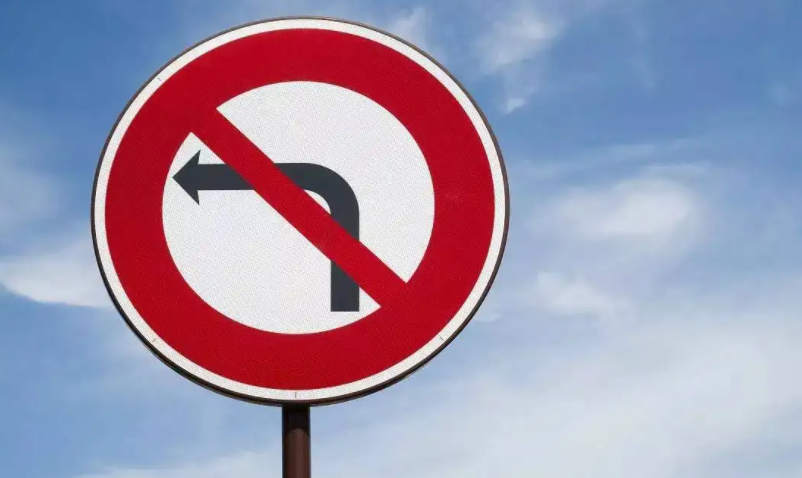
在《道路交通安全法》第七章关于法律责任的规定中,“生产商”所涉及的行政处罚只有第一百零三条规定的生产产品方面的责任:Within Chapter Seven of that law, manufacturers' administrative penalties concern production, under Article 103:
“机动车生产企业经国家机动车产品主管部门许可生产的机动车型,不执行机动车国家安全技术标准“Where a licensed motor-vehicle manufacturer fails to comply with national safety standards
或者不严格进行机动车成品质量检验,致使质量不合格的机动车出厂销售的,由质量技术监督部门依照《中华人民共和国产品质量法》的有关规定给予处罚。or fails to inspect finished vehicles strictly, allowing substandard vehicles to be sold, the quality-supervision authority shall impose penalties under the Product Quality Law.
擅自生产、销售未经国家机动车产品主管部门许可生产的机动车型的,没收非法生产、销售的机动For unauthorized production or sale of unapproved vehicle models, illegally produced or sold
车成品及配件,可以并处非法产品价值三倍以上五倍以下罚款;有营业执照的,由工商行政管理部vehicles and components shall be confiscated, and a fine of three to five times their value may be imposed. Where a business license exists,
门吊销营业执照,没有营业执照的,予以查封。it shall be revoked by the industry and commerce authority; otherwise, the operation shall be closed.
生产、销售拼装的机动车或者生产、销售擅自改装的机动车的,依照本条第三款的规定处罚。Production or sale of assembled vehicles or unauthorized modifications shall be penalized under the third paragraph of this article.
有本条第二款、第三款、第四款所列违法行为,生产或者销售不符合机动车国家安全技术标准的机Where conduct specified in the second, third or fourth paragraphs involving vehicles that fail national safety standards
动车,构成犯罪的,依法追究刑事责任。”constitutes a criminal offense, criminal liability shall be pursued.”
仅对于道路行驶方面的“交规”来说,“驾驶员会承担所有责任”的说法是成立的。Thus, for traffic-rule responsibility arising from driving itself, the statement that the driver bears all responsibility has a basis.
但对于第二种“侵权责任”,“辅助驾驶”这种产品的生产商,就未必能够置身事外。For tort liability, however, the assistance-system manufacturer may not be able to stand aside.
《最高人民法院关于审理道路交通事故损害赔偿案件适用法律若干问题的解释》The Supreme People's Court's Interpretation on Legal Issues in Road Traffic Accident Compensation Cases provides,
第九条:in Article 9:
“机动车存在产品缺陷导致交通事故造成损害,当事人请求生产者或者销售者依照民法典第七编第四章的规定承担赔偿责任的,人民法院应予支持。”“Where a vehicle product defect causes an accident and damage, the court shall support a claim that the producer or seller bear compensation liability under Chapter Four of Book Seven of the Civil Code.”
《民法典》第一千二百零二条:Article 1202 of the Civil Code provides:
“因产品存在缺陷造成他人损害的,生产者应当承担侵权责任。”如果是“辅助驾驶功能”的缺陷导致的交通事故,那么“生产商”就应该承担侵权责任,对造成的损害进行赔偿。“A producer shall bear tort liability for damage caused by a defective product.” If a defect in a driver-assistance function causes an accident, its producer should therefore compensate for the resulting damage.
怎么判断辅助驾驶功能的缺陷?How is a defect in driver assistance identified?
目前对于辅助驾驶功能的要求在法规上比较简单,仅见于《工业和信息化部关于加强智能网联汽车生产企业及产品准入管理的意见》第四条:Current regulatory requirements are relatively brief, appearing principally in Article Four of the ministry's Opinions on Strengthening Access Administration for Intelligent Connected Vehicle Manufacturers and Products:
“(五)严格履行告知义务。企业生产具有驾驶辅助和自动驾驶功能的汽车产品的,应当明确告知车辆功能及性能限制、驾驶员职责、人机交互设备指示信息、功能激活及退出方法和条件等信息。“(5) Strictly fulfill disclosure duties. Manufacturers of vehicles with assistance or automation functions shall clearly disclose their functions and performance limits, driver responsibilities, interface indications, and the methods and conditions for activation and disengagement.
(六)加强组合驾驶辅助功能产品安全管理。企业生产具有组合驾驶辅助功能的汽车产品的,应采取脱手检测等技术措施,保障驾驶员始终在执行相应的动态驾驶任务。组合驾驶辅助功能是指驾驶自动化系统在其设计运行条件下,持续地执行车辆横向和纵向运动控制,并具备相应的目标和事件探测与响应能力。”(6) Strengthen safety management of combined driving-assistance products. Manufacturers shall adopt hands-off detection and other technical measures to ensure drivers remain engaged in the corresponding dynamic driving task. Combined assistance means continuous lateral and longitudinal movement control, with corresponding object and event detection and response, within design operating conditions.”
除了对功能的明确告知和脱手检测,对辅助驾驶的具体能力和接管冗余,都没有提出具体要求。于是目前只能用一般性的产品质量要求来判断辅助驾驶的缺陷。Beyond clear disclosure and hands-off detection, no detailed requirements are prescribed for specific capabilities or takeover allowances. General product-quality requirements must therefore guide assessment of defects.
《产品质量法》第十三条:Article 13 of the Product Quality Law provides:
“可能危及人体健康和人身、财产安全的工业产品,必须符合保障人体健康和人身、财产安全的国家标准、行业标准;未制定国家标准、行业标准的,必须符合保障人体健康和人身、财产安全的要求。”“Industrial products potentially endangering health, personal safety or property must comply with relevant national and industry safety standards. In their absence, they must meet requirements protecting health, personal safety and property.”
第二十六条:Article 26 provides:
“生产者应当对其生产的产品质量负责。“Producers shall be responsible for the quality of their products.
产品质量应当符合下列要求:Product quality shall satisfy the following requirements:
(二)具备产品应当具备的使用性能,但是,对产品存在使用性能的瑕疵作出说明的除外”。(2) Possess the performance the product should have, except where a performance defect has been explained.”
人身、财产安全是底线,应当具备使用性能且说明瑕疵。问题仿佛又回到了起点,在当前的法律法规之下,对于事故中“辅助驾驶”是否存在缺陷的认定,依然要去公平原则中寻求答案,而这个公平原则的体现,正是在文章开头提到的“朴素的正义观”所考虑的维度。Personal and property safety form the baseline; products should perform as expected and defects should be explained. This returns us to the starting point: under the existing framework, assessing an assistance defect in an accident still requires fairness considerations corresponding to the basic account of justice outlined above.
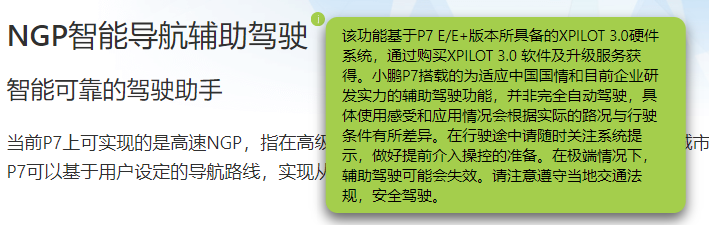
也就是:厂家的承诺和接管冗余。Namely, manufacturers' promises and the allowance for takeover.
话语权不平等Unequal explanatory power
即使通过厂家的宣传、功能的提示以及是否来得及接管这些维度,用户有办法证明一个“辅助驾驶功能”存在导致事故的缺陷。但对于这种缺陷的解释,掌握了技术的厂家,依然具有巨大的话语优势。A user may be able to show a causative defect through advertising, instructions and whether takeover was feasible. Yet manufacturers controlling the technology retain a major advantage in explaining that defect.
《产品质量法》第四十一条:Article 41 of the Product Quality Law provides:
“因产品存在缺陷造成人身、缺陷产品以外的其他财产(以下简称他人财产)损害的,生产者应当承担赔偿责任。“A producer shall compensate for personal injury or damage to property other than the defective product caused by a product defect.
生产者能够证明有下列情形之一的,不承担赔偿责任:The producer is not liable if it proves any of the following:
(一)未将产品投入流通的;(1) It did not put the product into circulation;
(二)产品投入流通时,引起损害的缺陷尚不存在的;(2) The defect causing the damage did not exist when the product entered circulation;
(三)将产品投入流通时的科学技术水平尚不能发现缺陷的存在的。”(3) The state of scientific and technological knowledge when the product entered circulation could not reveal the defect.”
“辅助驾驶功能”的缺陷在投入市场的时候是否已经存在?而这种缺陷是否在当时的技术条件可以被发现?对这两个问题的说明,往往超出了普通用户的能力。Did the defect exist when the assistance function entered the market, and could it have been discovered with the technology available then? Explaining those questions often exceeds an ordinary user's capabilities.
目前,自动驾驶技术还在不断地发展过程中,很多“辅助驾驶”软件功能也可以不断地进行ota升级。对于“辅助驾驶”的进化来说,本来就需要大量的现实世界的数据,来不断深度学习完善算法的能力,而在实际使用中也会不断地遇到真实世界的corner case。从这个技术本身的特性出发,似乎厂家完全可以解释,一个引起事故的corner case确实是以之前的算法水平无法发现的。Automation remains under development, and many assistance functions are updated through OTA. Their evolution requires extensive real-world data for deep learning and algorithm improvement, with new corner cases continually encountered. A manufacturer may therefore argue that its earlier algorithms could not identify the particular case that caused the accident.
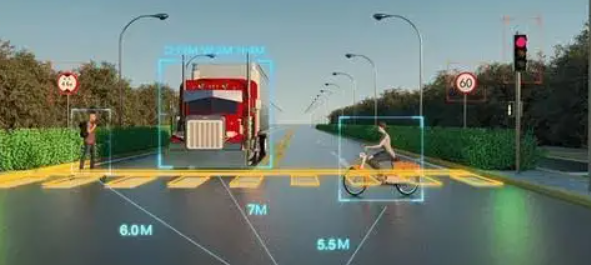
那么这种解释,是否可以认为“将产品投入流通时的科学技术水平尚不能发现缺陷的存在”呢?Does that amount to a defect that the state of scientific and technological knowledge could not reveal when the product entered circulation?
对于“纯视觉”方案来说,面对强光照射时的识别问题出现的概率(只是物理层面的泛泛举例,当然不排除能给摄像头戴个“墨镜”),在方案推送给客户之初,就已经是天然存在的了,或者是厂家可预期的。所以虽然corner case本身难以预计,但是出现的可能性和可能的原理,从一开始厂家就应该是有预见性的。In a vision-only system, recognition difficulties caused by strong light may be inherent or foreseeable from the outset. This is a broad physical example, allowing for mitigations such as filtering. Although the specific corner case may be unpredictable, its possibility and underlying mechanism should be foreseeable to the manufacturer.
所以,即使厂家无法针对所有的corner case去进行提示,也完全能够做到针对目前版本功能的一些原理上的问题,对用户进行提示。比较典型的就是“面对强光照射时,可能有误识别的概率”,建议用户接管。如果没有提示,那么笔者目前认为厂家就不能以“将产品投入流通时的科学技术水平尚不能发现缺陷的存在”来进行抗辩。A manufacturer may not be able to warn about every corner case, but can warn about known limitations of the current version—for example, possible misrecognition in strong light and the need to take over. Without such warnings, my view is that the manufacturer should not be able to rely on the state-of-knowledge defense.

当然,这只是个简单的例子,实际遇到的情况会更为复杂,涉及更多的技术,对这些技术的解释,厂家始终占据绝对的优势。This is only a simple example. Actual situations involve more complex technologies, whose explanation remains strongly within manufacturers' control.
驾驶员责任Driver responsibility
那么在厂家已经明确告知辅助驾驶功能的使用方法和能力边界的前提下,并且在事故发生之前也提醒了驾驶员进行接管或者给驾驶员留足了接管空间。这时候驾驶员如果不接管的话,那么按照之前的分析,驾驶员就难以把责任抛向厂家。Suppose the manufacturer clearly explains how to use the function and its limits and, before the accident, either requests takeover or provides sufficient opportunity for it. A driver who fails to intervene would, under the preceding analysis, struggle to shift responsibility to the manufacturer.
甚至,在保险的处理上,明知需要接管而不接管的驾驶员,会面临保险不赔的风险。A driver who knowingly fails to take over may even face the risk of insurance declining compensation.
《机动车交通事故责任强制保险条例》第二十一条:Article 21 of the Regulations on Compulsory Motor Vehicle Traffic Accident Liability Insurance provides:
“被保险机动车发生道路交通事故造成本车人员、被保险人以外的受害人人身伤亡、财产损失的,由保险公司依法在机动车交通事故责任强制保险责任限额范围内予以赔偿。“Where an insured vehicle causes injury, death or property damage to victims other than its occupants and the insured person, the insurer shall compensate within the statutory compulsory-insurance limits.
道路交通事故的损失是由受害人故意造成的,保险公司不予赔偿。”The insurer shall not compensate for accident losses intentionally caused by the victim.”
第二十二条:Article 22 provides:
“有下列情形之一的,保险公司在机动车交通事故责任强制保险责任限额范围内垫付抢救费用,并有权向致害人追偿:“In any of the following circumstances, the insurer shall advance emergency medical expenses within the compulsory-insurance limits and may recover them from the person responsible:
(一)驾驶人未取得驾驶资格或者醉酒的;(1) The driver lacks a driving qualification or is intoxicated;
(二)被保险机动车被盗抢期间肇事的;(2) The insured vehicle causes an accident while stolen or taken by robbery;
(三)被保险人故意制造道路交通事故的。(3) The insured person intentionally causes the accident.
有前款所列情形之一,发生道路交通事故的,造成受害人的财产损失,保险公司不承担赔偿责任。”Where these circumstances result in a traffic accident, the insurer shall not compensate for the victim's property losses.”
总结:技术与价值Conclusion: Technology and values
经过以上分析,目前人机共驾事故中的责任认定需要考虑如下因素:The preceding analysis indicates that responsibility in shared-driving accidents requires consideration of:
1、是否有本车责任(交规)?1. Whether this vehicle bears responsibility under traffic rules.
2、是否开启辅助驾驶?2. Whether driver assistance was activated.
3、辅助驾驶是否正常运行?3. Whether it was operating normally.
4、事故原因是否与辅助驾驶对车辆的控制有关?4. Whether the accident's cause relates to its control of the vehicle.
5、对于这种控制或者失效的场景,厂家先前是否有明确提示要求驾驶员注意并接管?5. Whether the manufacturer had clearly warned drivers to remain alert and take over in that control or failure scenario.
6、系统是否发出了接管提示?6. Whether the system issued a takeover request.
7、接管条件是否苛刻?是否预留了足够的时间、空间?7. Whether takeover conditions were unduly demanding and adequate time and space were available.
8、辅助驾驶的缺陷是否为产品投入流通时的技术所能够发现?8. Whether the assistance defect could have been discovered with the technology available when the product entered circulation.
以LCC为例,风和日丽车道线清晰,车辆靠左快车道以LCC行驶,这时候LCC突然失灵向左快速偏离,驾驶员接管不及撞上隔离栏。这里应该就是厂家的责任。Consider LCC operating in the leftmost fast lane in clear weather with visible markings. If it suddenly fails, veers left and strikes a barrier before the driver can react, I would attribute responsibility to the manufacturer.
还是以LCC为例,风和日丽车道线清晰,车辆靠左快车道以LCC行驶,前方出现静止的事故打双闪车辆,厂家早有宣传和提示对静止物体识别有概率识别不到建议驾驶员一直观察路面注意接管,但此时驾驶员远远看到静止车辆但一直不接管,导致事故。这里就是驾驶员的责任。Now suppose a stationary accident vehicle with hazard lights appears ahead under the same conditions. The manufacturer has warned that stationary objects may be missed and that drivers should continuously watch and take over. If the driver sees the vehicle from a distance but does not intervene, causing a collision, I would attribute responsibility to the driver.
对于更为复杂的场景和功能来说,对能力边界和技术的认定就没有这么简单。Assessing capability limits and technology is more difficult in complex functions and scenarios.
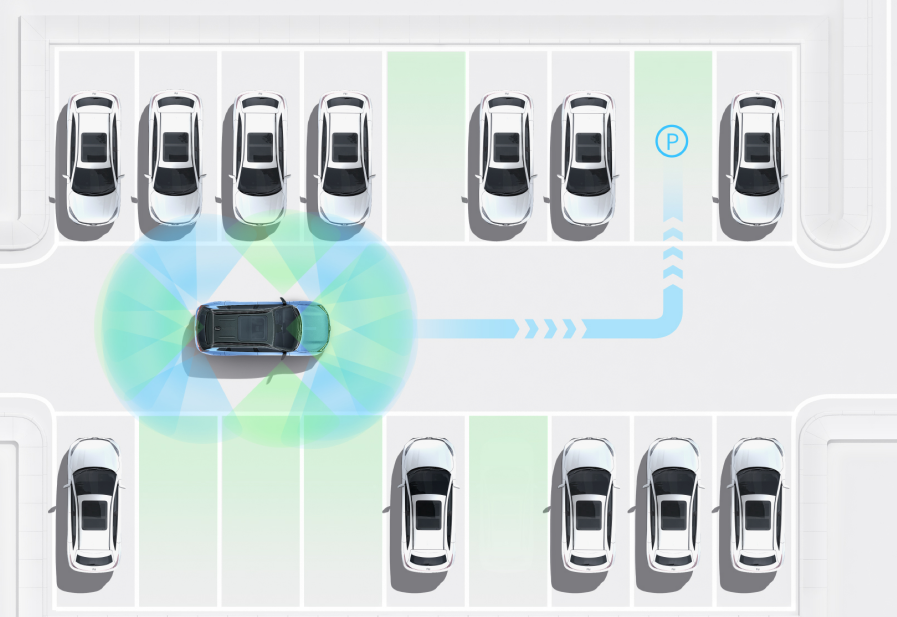
比如,人离车的自动泊车场景中,车位比较狭窄左右都是其他车辆,自动泊车在尝试泊入。厂家提示过自动泊车场景下驾驶员离车时应该观察附近的情况,如果发现障碍物应该随时暂停。但是实际上驾驶员离车时的视角有限没能及时观察到边缘车距,而此时自动泊车系统在装有毫米波超声波雷达的情况下,依然没有停止或者提示驾驶员接管,最终撞上了旁边的车辆。Consider automated parking in a narrow space between other vehicles while the user stands outside. The manufacturer has instructed the user to watch nearby conditions and pause if an obstacle appears. The user's viewpoint is limited, however, and they fail to notice a narrow clearance. Despite millimeter-wave and ultrasonic sensors, the system neither stops nor requests intervention and hits an adjacent vehicle.
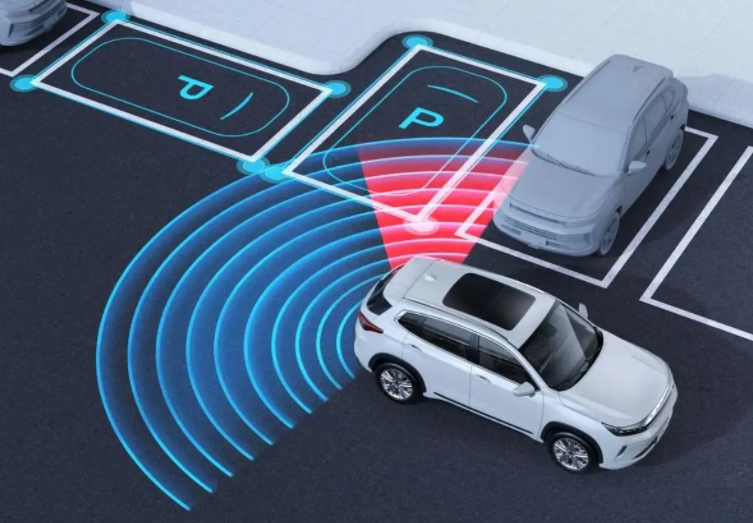
厂家虽然提示了离车人员应该充分观察随时停止,但是系统本身在有复杂传感器的同时却没能做到对距离的把握,这就可能会超出驾驶员的预期。那么这是否属于系统缺陷,就要对自动泊车过程中各传感器的功能和效果进行评估。同时也要综合厂家的宣传来评价,把判断的责任完全归于用户是否公平。Although the user was warned to observe and stop, a sensor-equipped system's failure to judge distance may exceed the user's expectations. Determining whether this is a defect requires assessing each sensor's function and effectiveness and the manufacturer's advertising, as well as whether assigning all judgment to the user is fair.
总而言之,对辅助驾驶事故责任的判断可以总结为两方面:一是技术,二是价值。技术层面关系到事故的因果关系,而价值层面则更多考虑归责的“公平”。Driver-assistance liability thus concerns both technology and values. Technology bears on causation; values bear more on fair allocation of responsibility.
在制度的完善上,辅助驾驶功能的评测、定级、接管冗余,依然缺少明确的技术和价值标准,这也造成了在认知上容易出现“完全否定辅助驾驶”和“完全归责于驾驶员过失”两种极端。Clear technical and normative standards for evaluation, classification and takeover allowances are still lacking. That contributes to polarized views either rejecting assistance entirely or blaming the driver entirely.
在完善标准的同时,也不应忽视消费者在技术解释和举证方面的弱势地位,在“公平原则”之下,应当对控制大量数据的厂家提出更高的举证要求。As standards improve, consumers' disadvantages in technical explanation and proof should not be overlooked. Fairness supports higher evidentiary demands on manufacturers controlling extensive data.