
辅助驾驶是一个充满争议的功能Driver assistance is controversial
人们总倾向于认为,车辆驾驶要么完全自己来,要么可以完全自动驾驶。辅助驾驶这种介于两者之间状态的功能,让人觉得是钻法律空子的无用功能。People tend to assume that a vehicle is either driven entirely by a person or fully automated. Assistance between those extremes can appear to be a useless feature exploiting gaps in the law.
每当发生辅助驾驶事故的时候,这种认知更剧,对功能的指责声也愈烈。Every accident involving driver assistance intensifies that perception and criticism.
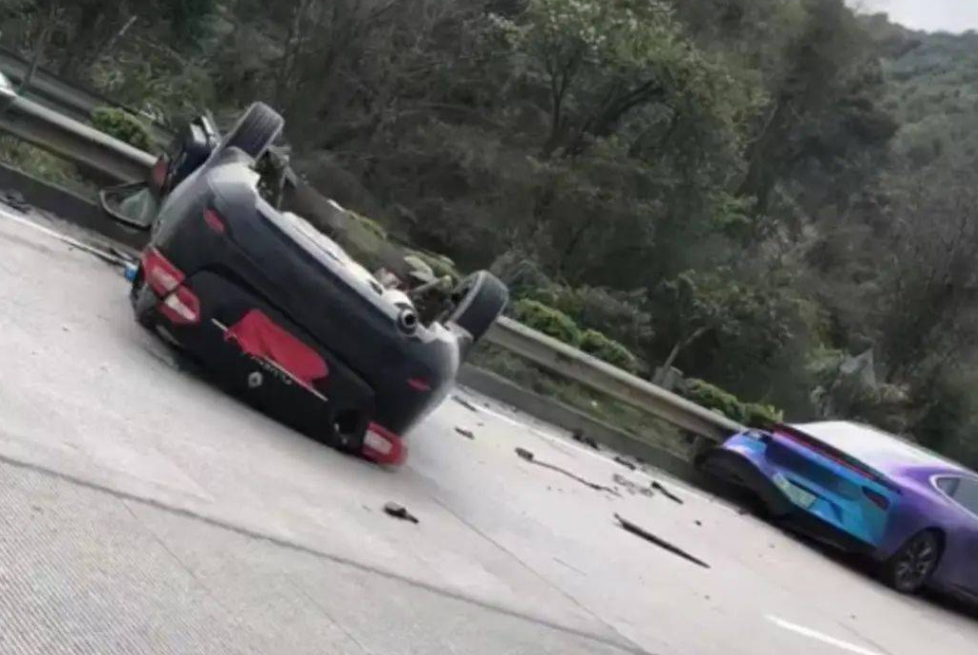
在车企层面,对辅助驾驶的宣传,也往往挣扎在功能强大和安全保守之间。强调产品能力的同时,又要在驾驶员关注路面、手握方向盘上多加提示。Manufacturers' marketing also struggles between emphasizing capability and taking a conservative approach to safety, repeatedly reminding drivers to watch the road and hold the wheel.
在纠结之中,甚至出现了“L2.5”或者“L2+”级辅助驾驶这种扭捏的宣传。The resulting ambiguity has even produced descriptions such as “L2.5” and “L2+.”

似乎辅助驾驶是一个令人纠结的功能,是一个因为技术不完善而妥协的产物。Driver assistance can thus seem an uncomfortable compromise caused by imperfect technology.
这样的一种产品,在我国的政策标准中是如何进行界定的呢?How do China's policies and standards define such a product?
什么是辅助驾驶What is driver assistance?
官方法规层面的定义是去年才有的。An official regulatory definition appeared only last year.
2021年7月30日实施的《关于加强智能网联汽车生产企业及产品准入管理的意见》第六款:Paragraph 6 of the Opinions on Strengthening Access Administration for Intelligent Connected Vehicle Manufacturers and Products, effective July 30, 2021, states:
“组合驾驶辅助功能是指驾驶自动化系统在其设计运行条件下,持续地执行车辆横向和纵向运动控制,并具备相应的目标和事件探测与响应能力。”“Combined driving assistance means that, within its design operating conditions, a driving-automation system continuously performs both lateral and longitudinal vehicle-motion control and has corresponding object and event detection and response capabilities.”
辅助驾驶主要有横向控制、纵向控制、探测与响应三个方面的能力,结合市面上的产品比较容易理解。Assistance therefore principally involves lateral control, longitudinal control, and detection and response. Products on the market help illustrate these capabilities.
横向和纵向控制对应的是辅助驾驶对车辆的基本控制功能,而探测和响应能力代表了系统对其他车辆、障碍物、路况路线的处理能力。按照能力复杂程度,市面上的辅助驾驶一般有以下几类:Lateral and longitudinal control concern basic vehicle movement. Detection and response concern other vehicles, obstacles, road conditions and routes. In increasing order of capability, common functions include:
1、CCS定速巡航1. CCS: Conventional cruise control
设定一个固定的速度,让车辆自动按照这个速度行驶,是最基础的纵向速度控制功能,前方没车的时候可以让驾驶员不用一直控制油门。没有横向控制,需要驾驶员控制车辆的左右方向;纵向控制也比较单一,没有目标探测响应的能力。The driver sets a fixed speed that the vehicle maintains. This is basic longitudinal speed control, relieving continuous accelerator operation when the road ahead is clear. It has no lateral control, so the driver steers, and lacks object detection and response.
2、ACC自适应巡航2. ACC: Adaptive cruise control
在纵向控制上更进一步,在探测到前方慢车的时候,能够自动降低速度,具有了初步的探测和响应能力,在纵向上有了初步的决策能力。没有横向控制,需要驾驶员控制方向。This adds longitudinal capability by reducing speed when a slower vehicle is detected ahead, providing basic detection, response and longitudinal decision-making. The driver still controls direction.
3、LKA车道保持3. LKA: Lane-keeping assistance
横向控制上的基础辅助功能,对车道线有了初步的识别和响应能力。在探测到车辆偏离车道或者压线的时候,能够进行回正,但这种回正是被动的,依然需要驾驶员控制方向盘保持在车道中间的路线。This is basic lateral assistance. It identifies lane markings and corrects the vehicle when it departs from or crosses them. The correction is reactive; the driver must still maintain the vehicle's path within the lane.
4、LCC车道居中4. LCC: Lane centering
在横向控制上更进一步,能够主动识别车道线并控制车辆保持在车道线中居中行驶。该功能和ACC自适应巡航功能结合,在横向和纵向上都有了一定的主动探测响应和控制能力,在固定车道行驶的时候不需要驾驶员额外控制方向和速度。在超车和变道的时候,依然需要驾驶员主动控制。This actively recognizes lane markings and keeps the vehicle centered. Combined with ACC, it provides active detection, response and control in both directions, reducing the driver's need to adjust speed or steering while remaining in one lane. Overtaking and lane changes still require driver action.
5、打灯变道5. Indicator-activated lane changes
在具备ACC和LCC功能的基础上,驾驶员通过拨动转让灯,车辆就可以自动完成车道的变换,不需要驾驶员额外对速度和方向进行操作。如果识别到隔壁车道有车辆或者障碍物,打灯变道会自动取消或者延迟执行。属于同时具备了横向、纵向控制以及对路线、车辆、障碍物的探测识别能力的辅助驾驶功能。Building on ACC and LCC, activating the indicator allows the vehicle to change lanes without further speed or steering input. If another vehicle or obstacle is detected in the adjacent lane, the maneuver is canceled or delayed. This combines lateral and longitudinal control with route, vehicle and obstacle detection and response.
6、导航辅助驾驶在具备ACC和LCC的基础上,系统能够控制车辆自动按照导航路线行驶,自动按照导航路线进行变道,识别到前方慢车时可以自动变道超车而无需驾驶员打灯。相比于打灯变道自动化程度更高,在横向上拥有了决策能力。6. Navigation-assisted driving. Building on ACC and LCC, the vehicle follows a navigation route, changes lanes along it and can overtake slower vehicles without the driver first activating the indicator. This has a higher degree of automation and lateral decision-making than indicator-activated lane changes.
目前市面上能够做到导航辅助驾驶的产品并不多,具有代表性的有特斯拉NOA功能、小鹏NGP功能、蔚来NOP功能、理想NOA功能以及魏牌的NOH功能。Relatively few products currently provide this function. Examples include Tesla NOA, XPeng NGP, NIO NOP, Li Auto NOA and WEY NOH.
总的来说,法规规定的辅助驾驶就是辅助人类开车的系统,是可以在纵向、横向控制以及路线、车辆、障碍物识别上,帮助节省驾驶员精力的功能。In general, the regulatory concept concerns a system that assists human driving by reducing the effort needed for movement control and detection of routes, vehicles and obstacles.
辅助驾驶能否脱手Does assistance permit hands-off driving?
那么是不是辅助驾驶能自动控制的功能,人就可以脱手了呢?《意见》中要求:If assistance can control a function automatically, may the driver release the wheel? The Opinions require:
“企业生产具有组合驾驶辅助功能的汽车产品的,应采取脱手检测等技术措施,保障驾驶员始终在执行相应的动态驾驶任务。”“Manufacturers producing vehicles with combined driving assistance shall adopt hands-off detection and other technical measures to ensure that drivers remain engaged in the corresponding dynamic driving task.”
可见,在法规层面,驾驶员依然是驾驶的主要参与者,系统的功能只在于辅助,而非完全替代。The driver therefore remains a principal participant in driving. The system assists rather than replaces the person entirely.
回过头来讲,其实辅助驾驶的这个法规定义,是延后于产品的。法规的定义基本上可以看作是对已存在的市面上产品特征的一个总结。而法规的定义主要意味着,在官方层面对于辅助驾驶功能的存在和使用的认可。The legal definition followed the products' development and largely summarizes their existing characteristics. Its main significance is official recognition of these functions' existence and use.
自动驾驶分级Automation levels
最早在我国政策里出现自动驾驶级别表述的,是2018年工信部发布的《车联网(智能网联汽车)产业发展行动计划》:China's policies first referred to levels in the Ministry of Industry and Information Technology's 2018 Internet of Vehicles (Intelligent Connected Vehicles) Industry Development Action Plan:
“构建能够支撑有条件自动驾驶(L3级)及以上的智能网联汽车技术体系,形成安全可信的软硬件集成与应用能力。”“车联网用户渗透率达到30%以上,新车驾驶辅助系统(L2)搭载率达到30%以上,联网车载信息服务终端的新车装配率达到60%以上,构建涵盖信息服务、安全与能效应用等的综合应用体系。”It called for a safe and reliable hardware and software system supporting conditional automation, Level 3 and above; connected-vehicle penetration above 30%; driving assistance, Level 2, in more than 30% of new vehicles; and connected information terminals in more than 60%, within an integrated service, safety and energy-efficiency framework.
对于里面提到的L2和L3具体的定义,政策并没有进一步解释。这样的表述,大概率参考了美国汽车工程师学会在2014年发表的编号为“J3016”的标准“(R)Taxonomy and Definitions for Terms Related to Driving AutomationSystems for On-Road Motor Vehicles”(道路机动车辆驾驶自动化系统相关术语的分类和定义)。The policy did not define Levels 2 and 3 further. It likely referred to SAE's J3016 standard, published in 2014: “Taxonomy and Definitions for Terms Related to Driving Automation Systems for On-Road Motor Vehicles.”
2021年8月20日,我国的分级标准:《汽车驾驶自动划分级》(GB/T 40429-2021)得以发布,该标准已经于2022年3月1日正式实施。China's own Taxonomy of Driving Automation for Vehicles (GB/T 40429-2021) was published on August 20, 2021 and took effect on March 1, 2022.
标准将自动驾驶分为0到5级,依据三个维度:It classifies automation from Level 0 to Level 5 using three dimensions:
1、执行动态驾驶任务的能力1. Ability to perform the dynamic driving task
横向和纵向控制、目标和事件的探测响应,能否持续执行或者同时执行前述任务。This considers lateral and longitudinal control, object and event detection and response, and whether those tasks can be performed continuously or simultaneously.
2、执行最小风险策略的能力2. Ability to execute a minimal-risk strategy
遇到事故或者其他让自动驾驶无法继续进行的情况时,系统能自动进行减速停靠或者其他让车辆达到最小风险状态的措施。If an accident or another situation prevents automated driving from continuing, the system can slow, stop or take other measures to achieve a minimal-risk condition.
3、设计运行范围限制3. Restrictions on the operational design domain
技术上的系统运行限制,典型的比如依赖高精地图的自动驾驶方案,需要在有高精地图覆盖的区域才能运行。These are technical operating limits. For example, a system relying on high-definition maps can operate only within mapped areas.
依据上述能力的强弱,0到5级对应的能力分别是:Based on those capabilities, the levels are described as follows:
0级,应急辅助,不能持续横向、纵向控制,具备部分目标和事件的探测响应能力;Level 0: Emergency assistance. The system does not continuously control lateral or longitudinal movement but has some object and event detection and response capabilities.
例:车道偏离预警、前向碰撞预警、aeb自动紧急制动、车道偏离抑制这些特定情况下感知并介入的功能。Examples include lane-departure warning, forward-collision warning, AEB emergency braking and lane-departure prevention, which intervene in specified circumstances.
标准特别提到,定速巡航不算驾驶自动化,可见标准对于自动驾驶入门的基本要求是具备基本的目标和事件探测与响应能力。The standard specifically excludes conventional cruise control from driving automation, indicating that basic object and event detection and response is an entry requirement.
1级,部分驾驶辅助,在条件范围内可以持续横向或纵向控制,并具备相应的探测和识别能力;Level 1: Partial driving assistance. Within defined conditions, the system continuously controls lateral or longitudinal movement and provides corresponding detection and response.
例:单独具备的车道居中、自适应巡航。Examples are standalone lane centering or adaptive cruise control.
2级,组合驾驶辅助,1级的几项能力的组合,其他解释与1级相同;Level 2: Combined driving assistance. It combines Level 1 capabilities; the other explanations are the same as for Level 1.
例:同时具备车道居中和自适应巡航的辅助驾驶功能,比如特斯拉的基础ap功能。Examples include systems combining lane centering and adaptive cruise control, such as Tesla's basic Autopilot.
3级,有条件自动驾驶,在条件范围内探测响应和横向纵向控制全部由系统执行,不能自动执行最小风险策略。系统要求接管的时候,后援用户应当接管。这个后援用户的角色可以是车内,也可以在车外;Level 3: Conditional automation. Within defined conditions, the system performs all lateral and longitudinal control and detection and response, but cannot independently execute the minimal-risk strategy. A fallback-ready user must take over when requested and may be inside or outside the vehicle.
4级,高度自动驾驶,在3级的基础上能自动执行最小风险策略。系统要求驾驶员接管的时候,驾驶员不接管的话系统可以自己停靠;Level 4: High automation. In addition to Level 3 capabilities, the system can execute the minimal-risk strategy itself. If the driver does not take over when requested, the vehicle can stop autonomously.
5级,完全自动驾驶,在4级的基础上,没有任何运行范围的限制,可以全场景全路段自动驾驶。Level 5: Full automation. Beyond Level 4, it has no operating-domain restriction and can automate driving across all scenarios and roads.
辅助驾驶算L几Where does driver assistance fit?
市面上的一些基础辅助驾驶功能都比较好定级:Some basic functions are relatively straightforward to classify:
1、CCS定速巡航1. CCS: Conventional cruise control
因为没有目标事件、物体的探测响应能力,所以0级都算不上;Without object and event detection and response, it does not even qualify as Level 0.
2、ACC自适应巡航2. ACC: Adaptive cruise control
有持续纵向控制能力,有前方车辆的探测和响应能力,算1级;Continuous longitudinal control, together with detection of and response to vehicles ahead, makes it Level 1.
3、LKA车道保持3. LKA: Lane-keeping assistance
有横向控制能力,有车道线的探测响应能力,但只有在车道偏离的时候才介入,不是持续执行的功能,算0级;It provides lateral control and lane detection and response, but intervenes only on departure rather than continuously. It is Level 0.
4、LCC车道居中能持续执行纵向控制能力,对车道线有探测和响应能力,算1级;4. LCC: Lane centering. The original description attributes continuous longitudinal control and lane detection and response to this function, classifying it as Level 1.
5、打灯变道5. Indicator-activated lane changes
同时具备LCC和ACC能力的组合辅助驾驶,有横向纵向的持续控制能力,有车辆和车道的探测和响应能力,算2级;Combined assistance with LCC and ACC continuously controls both directions and detects and responds to vehicles and lanes, making it Level 2.
6、导航辅助驾驶6. Navigation-assisted driving
其实在横向纵向控制能力和探测响应能力上,导航辅助驾驶在特定的范围内或者条件下,已经可以做到零接管了。比如在车少的高速路段上,目前市面上的NGP、NOA等功能都可以做到在大部分情况下不用驾驶员来接管。Within certain conditions, it can already perform movement control and detection and response without intervention. On lightly trafficked highways, functions such as NGP and NOA often require no takeover in practice.
那么是不是意味着导航辅助驾驶已经可以称之为L3了呢?Does that make navigation-assisted driving Level 3?
仔细对比L2和L3的区别,可以发现:Comparing Levels 2 and 3 reveals:
1、在驾驶任务的执行上,L2是驾驶员和系统共同执行,也就是常说的“人机共驾”,L3是全部交给系统;1. At Level 2, the human and system jointly perform the driving task. At Level 3, the entire task is assigned to the system.
2、在驾驶员角色上,L2的驾驶员是监管者的角色,系统运行的时候驾驶员不能不看路面,要时刻注意系统的运行状况。L3则没有监管的要求,也就是俗话说的可以“脱手”,但是L3的驾驶员(后援用户)依然需要对明显的外部刺激(救护车、警车等)进行响应;2. A Level 2 driver supervises continuously and must watch the road and the system. Level 3 does not require that supervision—colloquially, it may permit hands-off operation—but the fallback-ready user must still respond to obvious external stimuli, such as ambulances or police vehicles.
3、在接管角色上,L2的接管者只有驾驶员,L3的用户还有一个后援用户的角色,这个角色可以是在车内也可以在车外,当用户在车外控制车辆的时候,用户就是一个车外的后援用户;3. At Level 2, only the driver takes over. At Level 3, there is also a fallback-ready user role that can be inside or outside the vehicle. A user controlling the vehicle from outside occupies that external fallback role.
4、如果不能及时接管,那么L3会采取一定的适当措施降低车辆风险(但不能达到最低风险),而且L3要求介入时也会继续自动控制一段时间,作为用户介入的冗余时间。而L2没有这样的要求,L2的驾驶员必须随时准备好及时介入。4. If takeover is delayed, Level 3 takes suitable measures to reduce risk, although not necessarily to the minimum. It also continues automated control for a period after requesting intervention, allowing transition time. Level 2 has no equivalent requirement: the driver must remain ready to intervene promptly.
总的来说,L2和L3的主要区别,是驾驶员角色和介入上的区别,在技术上,L3比L2在介入时的冗余能力更加强大,L2则必须及时介入。The main differences therefore concern the driver's role and intervention. Level 3 provides greater technical allowance for the takeover transition; Level 2 requires prompt intervention.
那么从目前的导航辅助驾驶的使用要求以及法规对于“不能脱手”的要求来看,驾驶员是监管者的角色,而且在有必要时驾驶员也必须及时介入。所以导航辅助驾驶依然只属于L2。Existing navigation-assistance instructions and hands-on requirements place the driver in a supervisory role requiring prompt intervention where necessary. Such systems therefore remain Level 2.
自动泊车、停车场记忆泊车、召唤Automated parking, memory parking and summon
目前市面上已经存在人离车的自动泊车、记忆泊车和召唤功能了,这些功能在人离车的时候,所有的动态驾驶任务已经全部交给了系统,人在车外只能控制停止或开启。那么从标准分级的三个维度来看:Products already allow parking, memory parking and summon while the user is outside. All dynamic driving tasks are then assigned to the system, while the user can merely start or stop operation. Consider the standard's three dimensions:
1、动态驾驶能力1. Dynamic driving capability
人离车,全部驾驶任务交给系统;With the user outside, the system performs all driving tasks.
2、最小风险策略2. Minimal-risk strategy
遇到状况可人为远程控制停止,或者系统判断无法完成则要求人为介入,车辆会停止自动泊入或者召唤的状态。那么这种自动停止的功能算不算是可以自动执行最小风险策略呢?A user can remotely stop the vehicle, or the system can request intervention and stop the parking or summon maneuver when it cannot complete it. Does automatically stopping count as executing a minimal-risk strategy?
3、运行范围3. Operating domain
实际运行范围有限,仅在停车场可启动。Operation is limited to parking environments.
笔者认为,结合前述的等级划分标准的字面含义,这些人离车的功能实际上已经可以算是L3级有条件的自动驾驶功能了。On a literal reading of the classification criteria, I consider that these outside-the-vehicle functions can already qualify as Level 3 conditional automation.
能不能算是L4,那么就要看如何界定停车场中的“最小风险状态”。Whether they reach Level 4 depends on how a minimal-risk condition is defined in a car park.
停车场场景的风险,除了在行驶中可能碰撞到行人、旁车、障碍物之外,笔者认为如果车辆停止在中间道路上,还会阻塞停车场的流通,而间接增加其他车辆的风险。所以这类功能如果不能最终成功泊入车位,或者不能在系统判断不能继续行驶的时候自动泊入就近的车位防止阻塞,则都不属于能自动执行最小风险策略。所以笔者认为,目前大部分的该类功能,都不能算是L4。Risks include collisions with pedestrians, vehicles and obstacles. I also consider that stopping in a circulation lane can obstruct traffic and indirectly increase risk. If the system cannot finish parking or autonomously enter a nearby space when unable to proceed, it does not independently execute a minimal-risk strategy. Most current functions of this kind therefore do not, in my view, reach Level 4.
定级的意义Why classification matters
自动驾驶功能的应用,会涉及到一套系统的制度,这项制度一方面要规范产品准入,保证产品质量;一方面要规范责任划分,界定驾驶员和系统的过失范围;这两个方面都需要一套标准作为依据。Automated driving requires an interconnected regulatory framework: product access rules must ensure quality, while liability rules distinguish driver and system fault. Both need classification standards.
虽然目前的分级标准只是国家推荐性标准,但也不排除在产品测评、责任划分的相关法规出台之后,直接将这套推荐性的分级标准纳入依据范围,而赋予这套推荐性标准以法规上的强制力。Although the current classification is a recommended national standard, future regulations on product evaluation or liability could incorporate it, giving its requirements binding regulatory force.