
现在是2022年,很多车企都在宣传“智能”,主要有两方面,一方面是“智能座舱”,一方面是“辅助驾驶”。智能座舱主要体现在车机,车主可以通过车机控制车窗、空调、驾驶模式、导航等功能,有的甚至可以语音完成这些操作,车机中控屏还能看视频打游戏;辅助驾驶可以自动控制车速保持车道居中,更高级的功能还能自动按照导航变道。It is 2022, and many manufacturers advertise intelligence in two main forms: intelligent cockpits and driver assistance. Through onboard systems, owners control windows, climate, driving modes and navigation, sometimes by voice, and use central screens for video and games. Assistance can control speed and lane centering; more advanced functions change lanes along a navigation route.

很多声音会对这些“智能”嗤之以鼻,觉得这些都是花里胡哨的功能。“车机搞那么大块中控屏,还不如在车里驾个手机实用”,“早点开车到家看电视不香么?”,“要什么辅助驾驶,累了就去服务区休息,车买来是给自己开的。”Critics dismiss these as gimmicks: a phone seems more practical than a large screen; watching television at home seems preferable; tired drivers should stop at a service area rather than rely on assistance, since cars are bought to be driven.
那么是不是一块屏幕加上辅助驾驶就叫“智能”呢?我们说的“智能”汽车到底是什么?发展“智能”汽车又具有什么样的意义?Do a screen and assistance really make a vehicle intelligent? What does the term mean, and why does its development matter?
大背景:制造业转型The background: Manufacturing transformation
2015年5月8日,国务院发布《中国制造2025》:On May 8, 2015, the State Council issued Made in China 2025:
“与世界先进水平相比,我国制造业仍然大而不强,在自主创新能力、资源利用效率、产业结构水平、信息化程度、质量效益等方面差距明显,转型升级和跨越发展的任务紧迫而艰巨。”“Compared with advanced international levels, China's manufacturing sector is large but not strong, with clear gaps in innovation, resource efficiency, industrial structure, digitalization, quality and performance. Transformation, upgrading and leapfrog development are urgent and demanding.”
我国是制造业大国,制造业增加值自2010年以后一直位居世界第一,但大而不强,制造业急需转型。同时,信息技术的发展也给转型带来了机遇。China has ranked first in manufacturing value added since 2010, but scale has not eliminated the need to strengthen and transform the sector. Information technology also offers opportunities for that transformation.
“新一代信息技术与制造业深度融合,正在引发影响深远的产业变革,形成新的生产方式、产业形态、商业模式和经济增长点。”“可穿戴智能产品、智能家电、智能汽车等智能终端产品不断拓展制造业新领域。”“Deep integration of new-generation information technology and manufacturing is producing far-reaching industrial change, new production methods, industrial forms, business models and growth points.” Intelligent terminals including wearables, household appliances and vehicles were identified as expanding manufacturing into new areas.
这是“智能汽车”在政策中被首次提及,定位是一种智能终端产品,也是一个制造业的新领域。This was the first policy reference to intelligent vehicles, positioning them as intelligent terminals and a new manufacturing field.
那么当时的智能汽车发展前景如何?是否已经是制造业的新领域?What was their outlook then, and were they already an emerging manufacturing sector?
发展路径:“互联网+”人工智能The development path: Internet Plus and AI
思略特的《2016年智能网联汽车报告》中提到:Strategy&'s 2016 Connected Car Report observed:
“现在的汽车与二十世纪的汽车相比并未出现太多突破。然而现在的数字化功能(笔者注:这里指车上的)价格很高,操作复杂,设计不够人性化且缺乏吸引力,一个500美元的智能手机在用户体验上完胜汽车数字化功能。”“Cars have changed relatively little from those of the twentieth century. Yet their digital functions are costly, complicated and unattractive, with poor usability. A USD 500 smartphone offers a much better user experience than automotive digital functions.”
“因此车企、供应商和科技公司投入了数十亿美元的预算来开发新的技术和服务,以实现差异化。排名前五的车企2015年在研发方面投入了460亿美元,同比增长8%。”“Manufacturers, suppliers and technology companies are therefore investing billions of dollars in new technologies and services to differentiate themselves. The five largest manufacturers spent USD 46 billion on R&D in 2015, an 8% increase.”
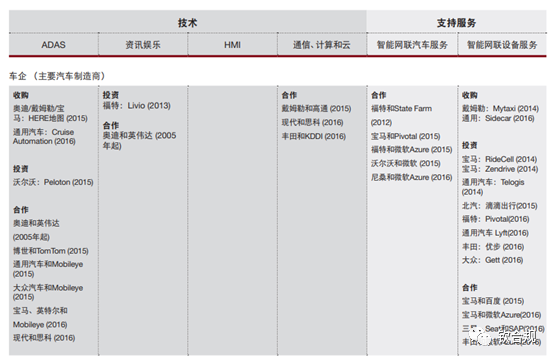
当时的传统车企已经开始在智能领域加大投入,投资或寻求与技术公司的合作。Traditional manufacturers were already increasing intelligent-technology investment and investing in or partnering with technology companies.
当时作为智能汽车先行者的特斯拉,在2015年当年交付了50580辆电动车,全年营收增长47%(特斯拉2015年四季度财报),这一年Model3还未问世。Tesla, then an intelligent-vehicle pioneer, delivered 50580 EVs in 2015 and increased annual revenue by 47%, according to its fourth-quarter report. Model 3 had not yet appeared.
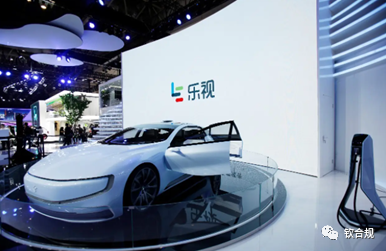
而在《节能与新能源汽车产业发展规划(2012-2020)》的激励下,国内也在2015年前后涌现了一批制造新能源智能汽车的“造车新势力”。Supported by the Energy-Saving and New Energy Vehicle Industry Development Plan (2012–2020), a wave of Chinese startups making intelligent EVs also emerged around 2015.
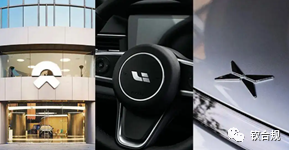
可见无论国际还是国内、传统还是新秀,当时大家对“智能汽车”的发展前景是普遍认可的。Internationally and domestically, established manufacturers and newcomers broadly recognized the prospects of intelligent vehicles.
于是在《中国制造2025》发布不久之后的7月1日,国务院进一步发布了《关于积极推进“互联网+”行动的指导意见》,希望利用我国“互联网”产业优势,推动智能汽车的发展:Shortly after Made in China 2025, the State Council issued guidance on the Internet Plus initiative on July 1, seeking to use China's internet-industry strengths to advance intelligent vehicles:
“加快人工智能核心技术突破,促进人工智能在智能家居、智能终端、智能汽车、机器人等领域的推广应用”;“Accelerate breakthroughs in core AI technologies and promote their application in smart homes, intelligent terminals, intelligent vehicles and robotics.”
“推动汽车企业与互联网企业设立跨界交叉的创新平台,加快智能辅助驾驶、复杂环境感知、车载智能设备等技术产品的研发与应用。”“Encourage automotive and internet companies to establish cross-industry innovation platforms and accelerate R&D and application of intelligent driver assistance, complex-environment perception and intelligent onboard equipment.”
互联网企业参与,技术上发展人工智能,应用上发展辅助驾驶和车载智能设备,智能汽车的初步蓝图就此被勾画出来。Internet-company participation, AI development and applications in assistance and onboard equipment together outlined an initial vision.
当时“互联网造车”已经开始成为一种风潮,“互联网”三个字在造车领域让人觉得是儿戏。但政策表达得很清楚,“互联网”只是参与的表面,背后的重点在于人工智能技术的发展与应用。Internet-based carmaking was fashionable, although some viewed it as unserious. The policy was clear: internet participation was the surface; AI technology development and application were the underlying emphasis.
十三五:智能汽车的产业规划The 13th Five-Year Plan: Industrial development
2016年3月16日,全国人大发布《国民经济和社会发展十三五规划纲要》:On March 16, 2016, the National People's Congress issued the 13th Five-Year Plan for Economic and Social Development:
“支持新一代信息技术、新能源汽车、生物技术、绿色低碳、高端装备与材料、数字创意等领域的产业发展壮大。”“大力推进……智能交通……等新兴前沿领域创新和产业化,形成一批新增长点。”It supported new-generation IT, new energy vehicles, biotechnology, green technology, advanced equipment, materials and digital creativity, and promoted intelligent transport and other emerging fields to generate new growth.
智能汽车依托新能源汽车的发展,同时也是智能交通的重要一环。Intelligent vehicles depend on EV development and form an important part of intelligent transport.
在我国“智能”和新能源汽车联系紧密,新能源汽车的发展契机也是智能汽车的发展机遇。出于能源安全、环保、汽车制造业升级等原因,发展新能源汽车自2012年开始就是坚定不移的“国策”。当时的造车新势力除了标榜“智能”之外,产品几乎也都是新能源纯电或者混动汽车。In China, intelligence and new energy vehicles are closely linked. EV development creates opportunities for intelligent cars. Energy security, environmental protection and automotive upgrading have made EV development a consistent national policy since 2012. Startups emphasizing intelligence almost invariably offered battery-electric or hybrid vehicles.
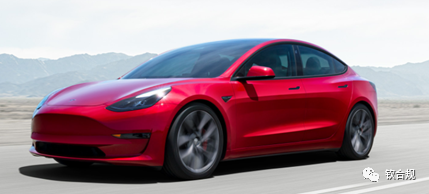
在全球范围当时电动汽车并不能算火热,各大传统车企也并没有足够重视,人们能在燃油车上体验的“智能”也很少。而就在半个月后的2016年4月1日,特斯拉Model3发布,这款“智能电动汽车”王炸产品即将席卷全球,进一步加深“智能”与“电动”强相关的印象。Globally, EVs were not yet especially popular, traditional manufacturers had not given them sufficient attention, and conventional vehicles offered relatively little intelligence. Tesla's Model 3 launch on April 1, 2016 promised a major intelligent-EV product, reinforcing the association between intelligence and electrification.
在年底11月29日发布的《“十三五”国家战略性新兴产业发展规划》更是把“智能”与“电动”放在一起加以强调:The State Council's strategic emerging industries plan, issued on November 29, explicitly linked the two:
“加速电动汽车智能化技术应用创新,发展智能自动驾驶汽车。”“Accelerate innovation in intelligent technologies for electric vehicles and develop intelligent automated vehicles.”
人工智能也好电动汽车也好,这些产业的发展都离不开关键硬件。2016年12月15日国务院发布了《“十三五”国家信息化规划》:Both AI and EV development depend on key hardware. On December 15, 2016, the State Council issued the national informatization plan:
“加快构建智能穿戴设备、高级机器人、智能汽车等新兴智能终端产业体系和政策环境。”“Accelerate industrial systems and policy environments for emerging intelligent terminals such as wearables, advanced robots and intelligent vehicles.”
“推进智能硬件、新型传感器等创新发展。提升可穿戴设备、智能家居、智能车载等领域智能硬件技术水平。”“Promote intelligent hardware and new sensors, improving hardware capabilities in wearables, smart homes and intelligent onboard equipment.”
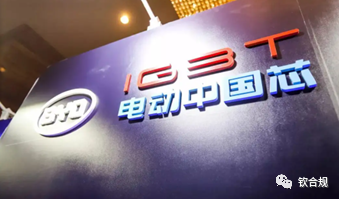
谈到智能硬件那就不得不提“芯片”,也不得不联想到“卡脖子”。智能汽车所需的自动驾驶芯片、车机芯片、IGBT功率半导体(电动汽车)都有赖芯片行业的支持,而智能电动汽车的发展也会给芯片的国产自研带来动力。目前,比亚迪就完成了IGBT的自研,地平线也开发出了国产的“征程系列”自动驾驶芯片。Intelligent hardware necessarily brings chips and supply bottlenecks into the discussion. Automated-driving processors, cockpit processors and EV IGBT semiconductors depend on the chip industry. Intelligent EVs can, in turn, stimulate domestic chip development. BYD has developed its own IGBTs, while Horizon Robotics has developed domestic Journey-series driving processors.
明确定义:智能网联汽车A clearer definition: Intelligent connected vehicles
2017年4月19日,百度发布了“Appollo”计划,除提供软硬件平台外该计划还包括“云端数据服务”。On April 19, 2017, Baidu announced the Apollo initiative, including cloud data services alongside hardware and software platforms.
如果说此前的政策对于“智能”的表述还流于泛泛之谈(产品本身也在动态发展),那么自2017年开始,随着产业的发展,“智能”的内涵变得逐渐明确和清晰,智能汽车的形象也日渐丰满。Earlier policy references to intelligence were broad, while products were still evolving. From 2017, industrial development made the concept and the vehicles themselves more concrete.
2017年7月8日,国务院发布《新一代人工智能发展规划》:On July 8, 2017, the State Council issued the New Generation Artificial Intelligence Development Plan:
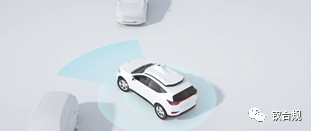
“重点突破自主无人系统计算架构、复杂动态场景感知与理解、实时精准定位、面向复杂环境的适应性智能导航等共性技术”。“Prioritize common technologies including autonomous-system computing architectures, perception and understanding of complex dynamic environments, precise real-time positioning and adaptive intelligent navigation in complex environments.”
算法、动态感知、高精定位、导航技术,这些都是自动驾驶技术的细分项。Algorithms, dynamic perception, precise positioning and navigation are all component areas of automated-driving technology.
“发展自动驾驶汽车和轨道交通系统,加强车载感知、自动驾驶、车联网、物联网等技术集成和配套”。“Develop automated vehicles and rail systems, strengthening integration and support for onboard perception, automated driving, connected vehicles and the Internet of Things.”
这是首次提及“车联网”这个概念,实际上无论是自动驾驶还是车载智能设备,这些功能的实现都离不开数据交换。在“万物互联”之下汽车也作为一个信息终端通过信息网络对外传递或者接收信息,哪怕是简单的导航、定位、下载音乐也需要数据的交换。可以说“智能”本身就离不开“联网”。This introduced the connected-vehicle concept. Both automation and intelligent onboard functions require data exchange. As an information terminal, a vehicle sends and receives information through networks; even basic navigation, positioning and music downloads require exchanges. Intelligence cannot readily be separated from connectivity.
2017年12月27日,工信部和国标委发布《国家车联网产业标准体系建设指南》,首次明确“智能网联汽车”的定义:On December 27, 2017, the industry ministry and national standards authority issued guidance for the connected-vehicle standards system, expressly defining intelligent connected vehicles for the first time:
“智能网联汽车是指搭载先进的车载传感器、控制器、执行器等装置,并融合现代通信与网络技术,实现车与 X(人、车、路、云端等)智能信息交换、共享,具备复杂环境感知、智能决策、协同控制等功能,可实现‘安全、高效、舒适、节能’行驶,并最终可实现替代人来操作的新一代汽车。”“A new generation of vehicles with advanced onboard sensors, controllers and actuators, integrating communications and network technologies for intelligent information exchange and sharing between the vehicle and X—people, vehicles, roads, cloud services and so on—with complex-environment perception, intelligent decision-making and cooperative control, enabling safe, efficient, comfortable and energy-saving travel and ultimately replacing human operation.”
具备联网及相关服务功能、具备先进辅助驾驶功能,是智能网联汽车的两大标志。Connectivity and related services, together with advanced driver assistance, are two defining features.
发展计划:推动V2XThe development plan: Advancing V2X
回到文章开头的诘问:一个屏幕一个辅助驾驶就是“智能”吗?在车上架个手机不也就实现了“联网”吗?Return to the opening challenge: do a screen and assistance make a car intelligent? Does mounting a phone not already provide connectivity?
这里就需要回答一个问题:“车联网”到底能干什么?We must ask what connected vehicles can actually do.
2018年12月25日,工信部发布了《车联网(智能网联汽车)产业发展行动计划》:On December 25, 2018, the industry ministry issued its Internet of Vehicles development action plan:
“发展电动汽车实时在线监测系统和大数据分析能力,实现充电预警、优化充换电调度、提升充换电效率等目标。”“推动基于LTE-V2X、5G-V2X等技术的“人-车-路-云”协同交互,积极开展交通安全与能效应用。”It called for real-time EV monitoring and big-data analysis to improve charging warnings, charging and battery-swap scheduling and efficiency, together with LTE-V2X and 5G-V2X interaction among people, vehicles, roads and cloud services for safety and energy efficiency.
“建立基于网络的汽车设计、制造、服务一体化体系,构建智能网联汽车数据管理体系。”It also called for network-based integration of design, manufacturing and services and a connected-vehicle data-management system.
V2X其实就是定义中提到的“车与 X(人、车、路、云端等)智能信息交换、共享”,简单概括V2X可以:V2X is the intelligent exchange and sharing between a vehicle and people, other vehicles, roads and cloud services. In simple terms, it can support:
1、车路协同,让自动驾驶提前就知道交通信号灯的周期,规划行车策略;1. Vehicle–infrastructure cooperation: knowing signal timing in advance and planning driving strategies.
2、车况监控,车辆问题提前预警、报修,定制车险;2. Vehicle monitoring: early fault warnings, repair reporting and tailored insurance.
3、交通管理,依据车联网数据分析出最佳的道路管控策略,提前预防拥堵。3. Traffic management: analyzing connected-vehicle data to optimize control and prevent congestion.
因此“车联网”并不仅仅是简单的手机导航、电话、音乐功能,而是基于数据收集、分析的一整套出行管理和服务,是能让出行更安全、高效、舒适的功能。Connectivity therefore extends beyond phone navigation, calls and music. It is an integrated set of mobility-management and service functions based on collecting and analyzing data to improve safety, efficiency and comfort.
计划中提到,“车联网”的发展,不仅需要依托通信技术,也要依托基建:The plan recognizes that connectivity requires infrastructure as well as communications technology:
“实现LTE-V2X在部分高速公路和城市主要道路的覆盖,开展5G-V2X示范应用,建设窄带物联网(NB-IoT)网络,构建车路协同环境,提升车用高精度时空服务的规模化应用水平,为车联网、自动驾驶等新技术应用提供必要条件。”It calls for LTE-V2X coverage on some highways and main urban roads, 5G-V2X demonstrations, NB-IoT networks, cooperative vehicle–road environments and scaled high-precision positioning and timing services to support connected vehicles and automation.
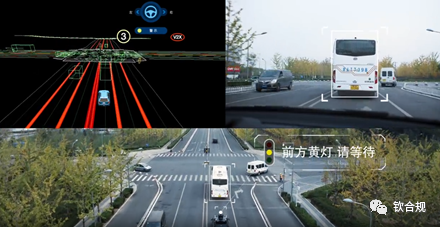
仅从自动驾驶技术的角度,目前对于“车路协同”和“单车智能”两种方案孰优孰劣,依然存在争论。对于“车路协同”的质疑主要在于基建成本更高,并且适用范围有限,而“单车智能”具有成本更低适用范围更广的优点,但“单车智能”可能会缺乏“车路协同”的整体规划和控制能力,“单车智能”本身的能力上限也依然存疑。Whether cooperative infrastructure or vehicle-only intelligence is preferable remains debated. Critics of infrastructure cooperation emphasize cost and limited coverage. Vehicle-only intelligence offers lower costs and broader applicability, but may lack coordinated planning and control, and its capability ceiling remains uncertain.
“智能”需要规范Intelligence needs regulation
智能汽车通过V2X会收集和分享大量的数据,存在数据安全和隐私保护的问题。V2X collects and shares extensive data, raising security and privacy issues.
2021年7月30日,工信部发布《关于加强智能网联汽车生产企业及产品准入管理的意见》:On July 30, 2021, the industry ministry issued its Opinions on Strengthening Access Administration for Intelligent Connected Vehicle Manufacturers and Products:
“企业应当建立健全汽车数据安全管理制度,依法履行数据安全保护义务,明确责任部门和负责人。建立数据资产管理台账,实施数据分类分级管理,加强个人信息与重要数据保护。”“Enterprises shall establish sound automotive data-security management systems, fulfill statutory protection duties and identify responsible departments and individuals. They shall maintain data-asset registers, classify and grade data, and strengthen protection of personal information and important data.”
“具备保障汽车电子电气系统、组件和功能免受网络威胁的技术措施,具备汽车网络安全风险监测、网络安全缺陷和漏洞等发现和处置技术条件,确保车辆及其功能处于被保护的状态,保障车辆安全运行。”They must also adopt technical measures against cyber threats, monitor cybersecurity risks, identify and address defects and vulnerabilities, and keep vehicles and functions protected for safe operation.
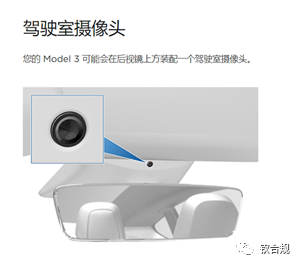
为了监测驾驶员的状态,防止驾驶员使用辅助驾驶的时候不看路,一些车辆会在驾驶位安装摄像头,在车主走神的时候对车主进行提醒。为了打消车主对隐私泄露的担忧,一些车企会给驾驶员提供开关摄像头的选项。Some vehicles use driver-facing cameras to monitor attention and warn users who look away while using assistance. To address privacy concerns, some manufacturers allow users to switch these cameras off.
在实现完全自动驶之前,辅助驾驶功能也需要指导车主能够正确使用。Until fully automated driving is achieved, users also need guidance on using assistance correctly.
“企业生产具有驾驶辅助和自动驾驶功能的汽车产品的,应当明确告知车辆功能及性能限制、驾驶员职责、人机交互设备指示信息、功能激活及退出方法和条件等信息。”“Manufacturers of vehicles with assistance and automation functions shall clearly disclose functions and performance limits, driver responsibilities, interface indications, and activation and disengagement methods and conditions.”
目前市面上的量产汽车的辅助驾驶功能都还没有达到自动驾驶的程度,车企不应该宣扬自己的功能是自动驾驶。Current production-vehicle assistance has not reached full automated-driving capability. Manufacturers should not advertise it as such.

正因为智能汽车具有联网功能,所以车企或者供应商实际上能掌握一辆汽车大部分的数据,并能分析车辆的状况。这样的好处是能让车企及时发现车辆问题提前通知维修,做好预防;但也要警惕信息不对称之下的企业作恶,企业可能会用偷偷推送OTA的方式,修改汽车参数,隐藏汽车问题。Connectivity gives manufacturers and suppliers extensive vehicle data and analytical capabilities, allowing early detection of faults and preventive repairs. But information imbalances also create opportunities for misuse, such as undisclosed OTA changes to parameters that conceal problems.
这里比较典型的就是电动汽车的“锁电”,感兴趣的朋友可以参考另一篇文章《“锁电”的法律问题》“锁电”的法律问题。Restrictions on usable EV battery capacity are a typical example. See my separate article, Legal Questions Around Restricting EV Battery Capacity.
针对OTA,意见要求:On OTA, the Opinions require:
“企业生产具有在线升级(又称OTA升级)功能的汽车产品的,应当建立与汽车产品及升级活动相适应的管理能力,具有在线升级安全影响评估、测试验证、实施过程保障、信息记录等能力,确保车辆进行在线升级时处于安全状态,并向车辆用户告知在线升级的目的、内容、所需时长、注意事项、升级结果等信息。”“Manufacturers of vehicles with online-update capabilities shall maintain management capabilities appropriate to their products and update activities, including safety-impact assessment, testing, implementation safeguards and records. They shall keep vehicles safe during updates and tell users their purpose, content, duration, precautions and results.”
核心在于安全和透明。Safety and transparency are central.
展望与感想Outlook and reflections
毋庸置疑,智能汽车的发展对于我国的制造业升级、转型具有重要的意义。这是一个深度融合了多种产业的复合型行业,也是能直接供应给消费者的消费产品,它不仅能带动汽车工业的进步,也能带来让我国的“芯片”从车规级慢慢做起的机遇。Intelligent vehicles are clearly important to China's manufacturing transformation. They integrate several industries in a consumer product, advancing automotive manufacturing and creating opportunities for domestic chips to develop from automotive-grade applications.
同时这又是一个比较年轻的产业,在国家标准、规范上依然还在完善的过程中。未来,对于自动驾驶产品的测试、评价、定级需要建立一套完整的制度;对车辆数据的收集、处理、分析、转让,也需要更多的规范来保护用户的隐私和知情权。This is also a young industry with standards still evolving. A complete framework is needed for testing, evaluating and classifying automated-driving products, alongside further rules on collecting, processing, analyzing and transferring vehicle data to protect privacy and the right to information.
最后,站在用户的角度思考一个问题,“智能汽车”究竟能给用户带来什么?Finally, from the user's perspective, what do intelligent vehicles actually provide?
对于一辆毫无智能的汽车来说,用户架个手机在上面,其实也能开。智能语音很方便,但这个世界上大部分老司机都用惯了按键;辅助驾驶能缓解疲劳,但大部分老司机还是习惯自己开车,不敢把控制权交给AI。A conventional car remains usable with a phone mounted inside. Voice control is convenient, but experienced drivers are accustomed to buttons. Assistance reduces fatigue, but many still prefer to drive and hesitate to hand control to AI.
很多人会将智能汽车比作智能手机,智能汽车替代传统汽车正如苹果碾压诺基亚。但个人觉得,对于汽车这个工业品,用户的需求相比于手机要更加的复杂。Intelligent cars are often compared with smartphones: their replacement of conventional cars is likened to Apple's displacement of Nokia. I think vehicle users' needs are more complex.
手机除了接打电话和上网之外,很少有人会在意手机拿起的手感、握感或者与耳朵贴合的触感,这些当然也是厂商在设计上需要注意的点,但和手机的主要功能比起来,显得无足轻重。Beyond calling and internet use, few phone users place great weight on how the device feels when lifted, held or pressed to the ear. Those are design considerations, but relatively minor compared with its principal functions.
汽车非常的不同,方向盘手感、悬架软硬、NVH、座椅舒适度、按键手感等等这些都和日常的驾驶和乘坐感受直接相关,让人难以忽视。对于这些“质感”体验来说,“智能”能够直接带来的提升可能会非常有限。我想哪怕未来真的有一天完全自动驾驶普及而不再需要人类驾驶的时候,依然会有人舍不得放弃自己亲自驾驶的感觉。Vehicles differ. Steering feel, suspension firmness, noise and vibration, seats and button feel directly affect everyday travel. Intelligence may improve those qualities only to a limited extent. Even if full automation becomes widespread, some people will still value driving themselves.
“智能”和“质感”其实并不是矛盾的,“智能”带来的便利可以让人留出更多的精力来体会“质感”,也可以让“质感”以更低的成本让用户获得(智能线控)。我想除非未来“智能”真的可以发展出一种能完全让人忘记“质感”的功能或者乐趣,否则“质感”永远会是评价一辆好车的重要标准。Intelligence and tactile quality are not contradictory: convenience can free attention to appreciate quality and can make it more affordable, including through intelligent by-wire systems. Unless intelligence creates an experience that entirely eclipses those qualities, they will remain important measures of a good car.